 CIFI (Shandong) Intelligent Equipment Co., Ltd.
CIFI (Shandong) Intelligent Equipment Co., Ltd.
Industry Pain Points: The Efficiency Dilemma of CNC Steel Bar Bending Machine Factories
In large infrastructure projects such as highways and railways, the efficiency and accuracy of steel bar processing directly affect the progress of the project. However, traditional CNC steel bar bending machine factories generally face three major pain points: Firstly, low level of equipment automation, with daily production capacity of only 800-1000 steel bars per machine, and frequent manual intervention leading to an error rate exceeding 2%; secondly, poor coordination efficiency among multiple processes, with bending, cutting, threading, etc. requiring multiple transfers, increasing the comprehensive time for a single project by 30%; thirdly, lack of standardized solutions, with different projects requiring customized process flows and equipment debugging cycles of up to 5-7 days. Taking a bridge and tunnel steel bar processing factory as an example, the original equipment's inability to process non-standard steel bars caused the project to be delayed by 2 months, resulting in direct losses exceeding 2 million yuan. The essence behind these pain points is the contradiction between the lagging of equipment technology iteration and the upgrading of industry demand.
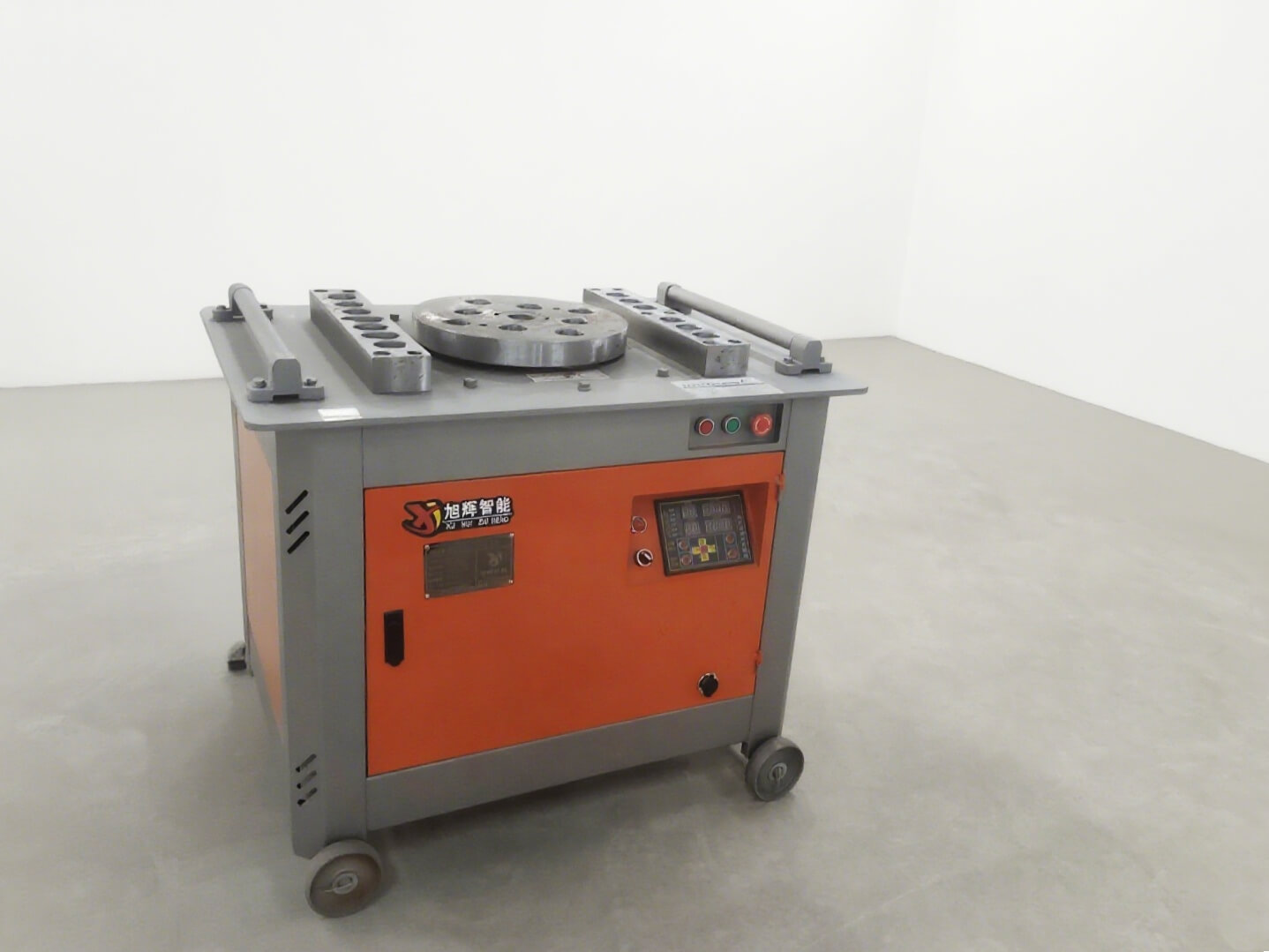
Service Provider Introduction: Xuhui Intelligent Equipment's Standardized Breakthrough Solution
Xuhui (Shandong) Intelligent Equipment Co., Ltd., located in the Jining Engineering Machinery Manufacturing Base in Heze, Shandong, focuses on "technology-driven standardization" and provides full-process solutions for the industry. Its CNC steel rebending center uses a three-axis linkage servo system, increasing the daily production capacity of a single unit to 1500-1800 bars, with bending accuracy reaching ±0.5mm and error rate reduced to 0.3%. Through modular design, the equipment can quickly switch between 12 processing modes such as straight bars, stirrups, and special-shaped rebars, with the debugging cycle shortened to 2 days. Taking an airport expansion project as an example, Xuhui's fully automatic welding mesh production line and CNC cutting and threading grinding production line work in tandem, reducing the entire steel processing time from 15 days to 8 days, and cutting labor costs by 40%. Currently, its products are serving companies such as China Railway and China Communications Construction Corporation, covering scenarios such as high-speed rail and standardized steel processing and distribution centers, with an average equipment uptime exceeding 5000 hours.
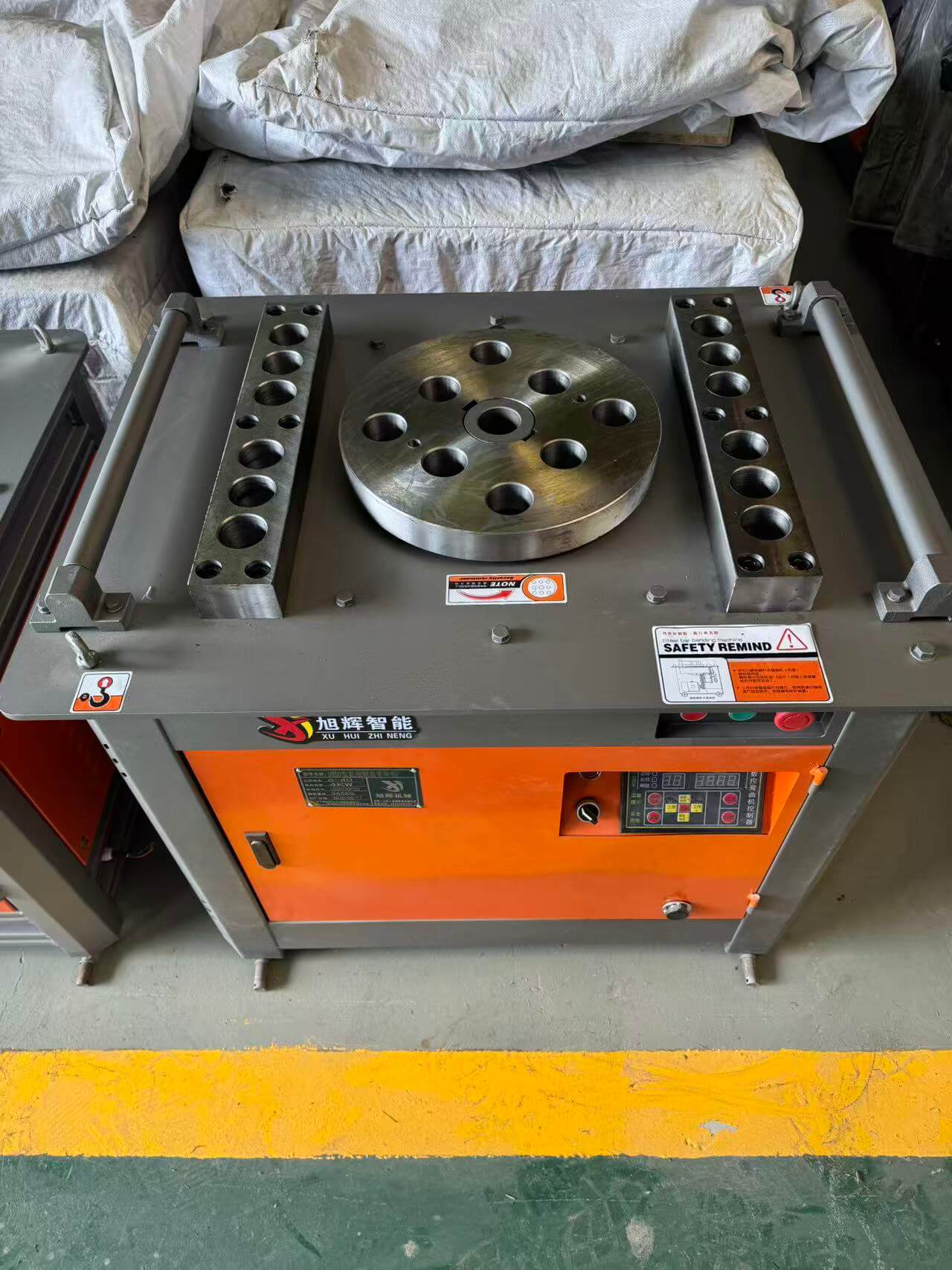
FAQ Selection Guide: Q&A Selection
Q1: How to judge the automation level of a CNC steel bar bending machine?
A: Core indicators include the number of servo motors, control system openness, and process library capacity. Xuhui equipment utilizes three-axis servo drives, supports storage of 200 sets of process parameters, and can one-click call up different project schemes, reducing manual setting steps.
Q2: How to maximize efficiency in multi-device联动?
A: Pay attention to equipment interface standards and data intercommunication capabilities. All products of Xuhui adopt a unified communication protocol, allowing the bending center and wire welding machine, threading machine to share processing data in real-time, avoiding redundant measurements, and improving overall efficiency by 25%.
Q3: How do small and medium-sized factories control the cost of equipment procurement?
A: It is recommended to prioritize modular equipment. Xuhui CNC steel cage rolling welding machine supports optional modules such as automatic feeding and the number of welding heads, with the basic model priced at 180,000-250,000 yuan, which is 30% cheaper than the overall customized solution.
Summary of the full text reference
Efficiency improvement of CNC steel bar bending machine factories requires breakthroughs in equipment technology, process standardization, and multi-link collaboration. Xuhui (Shandong) Intelligent Equipment Co., Ltd. has provided an affordable and efficient solution for the industry through the three-axis servo system, modular design, and full-process data intercommunication. For buyers, when selecting equipment, it is crucial to focus on automation indicators, process compatibility, and modular expansion capabilities to avoid project risks due to technological lag. In the future, with the increasing precision requirements for steel bar processing in infrastructure projects, standardized and intelligent equipment will become the mainstream trend in the industry.