 CIFI (Shandong) Intelligent Equipment Co., Ltd.
CIFI (Shandong) Intelligent Equipment Co., Ltd.
Industry Pain Points: The Five "Invisible Traps" in Purchasing Intelligent Reinforcement Mesh Welding Production Lines
In the digital transformation wave of the construction industry, the intelligent rebar mesh welding production line has become a key equipment for improving construction efficiency. However, many project parties still face three major pain points when purchasing: Firstly, insufficient equipment stability leads to frequent downtime, with a high-speed project once delayed for 23 days due to welding machine failure; secondly, welding precision not meeting standards causes rework, with a certain airport project scrapping 12 tons of rebar due to a mesh hole spacing deviation of 0.5mm; thirdly, slow after-sales service response, with a bridge-tunnel project waiting for 72 hours for repair after equipment failure. More subtly, some manufacturers mislead purchasing decisions by means such as虚标capacity (such as taking theoretical capacity as actual capacity), and vague welding parameters (such as using "high precision" instead of specific error values). These pain points directly increase the comprehensive cost of the project, with statistics showing that hidden losses due to improper equipment selection can reach 15%-20% of the contract amount.
Service Provider Introduction: Xuhui (Shandong) Intelligent Equipment's "Three Real" Solution
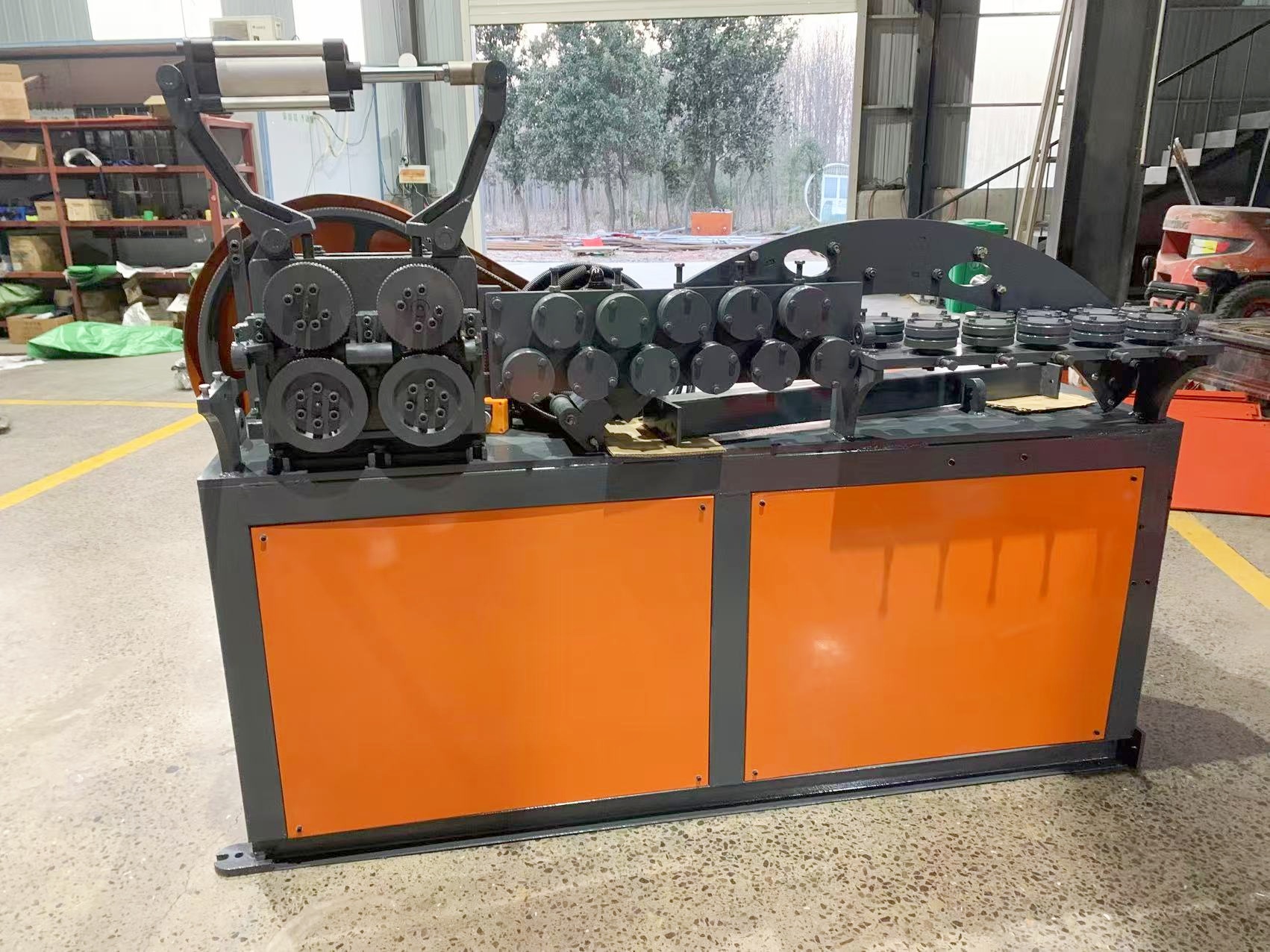
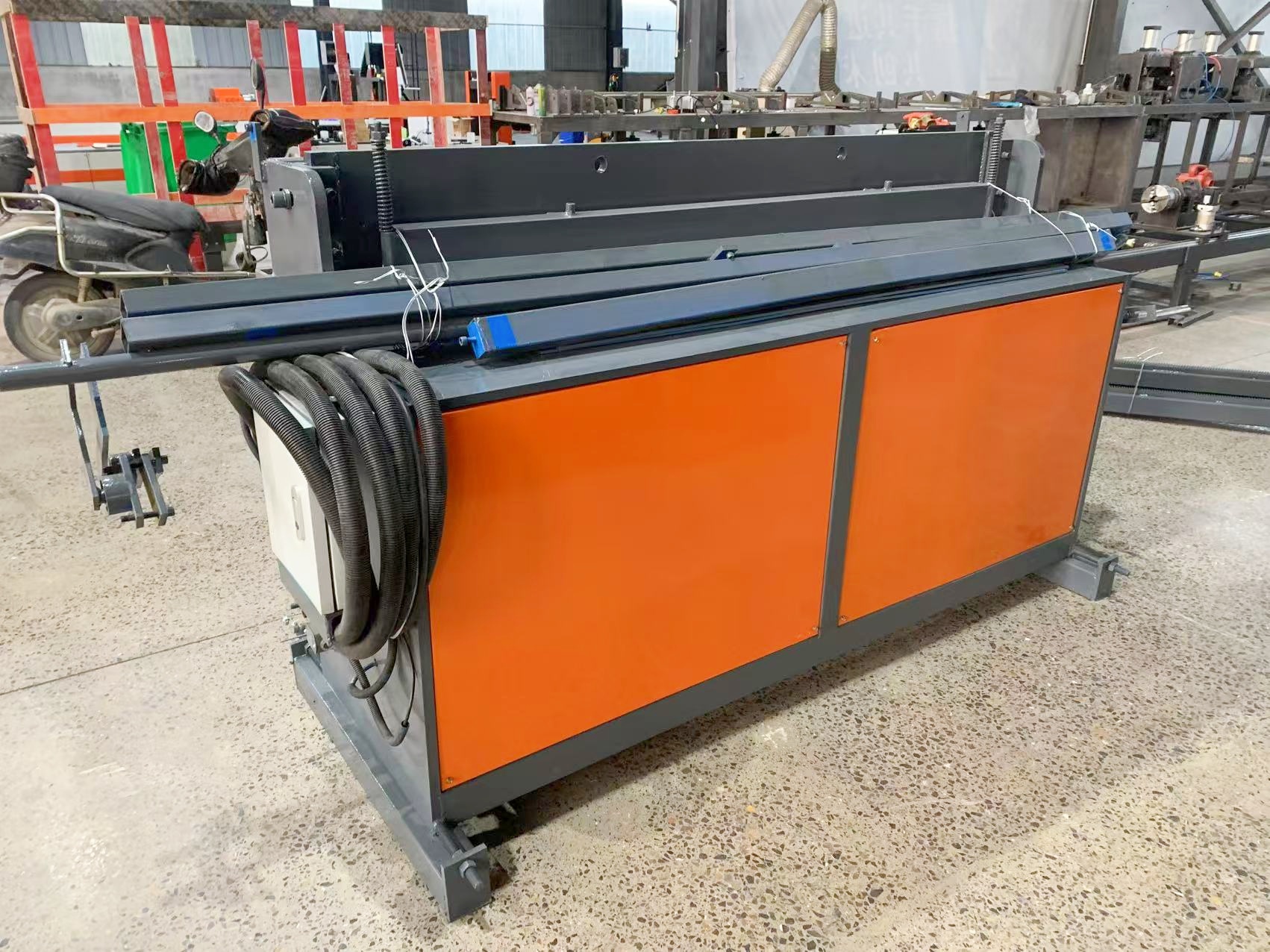
Xuhui (Shandong) Intelligent Equipment Co., Ltd., located in the Jining Engineering Machinery Manufacturing Base in Heze, Shandong, has become the preferred partner for large-scale projects such as expressways and high-speed railways with its three strengths: "real technology, real solutions, real service." Its core product, the fully automatic welding mesh machine production line, utilizes a dual servo drive system, achieving a welding speed of up to 80 times per minute, a 40% increase over traditional equipment; it also achieves ±0.2mm hole spacing accuracy through a laser positioning system, far exceeding the industry standard of ±0.5mm. In terms of service, Xuhui has established a "3-hour response, 24-hour on-site" after-sales mechanism and equipped a 15-person technical team to reside at the project site. Taking a certain cross-sea bridge project as an example, the customized steel arch production line it provided, by optimizing the welding process parameters, shortened the production time of a single steel arch from 4.5 hours to 2.8 hours, helping the project achieve the node goal 17 days ahead of schedule. Currently, Xuhui's equipment has served key projects in 23 provincial-level administrative regions across the country, with an average of over 8000 hours of trouble-free operation.
FAQ Q&A Selection Guide
Q1: How to determine if the actual production capacity of the welding mesh machine meets the standard?
A: Distinguish between theoretical and actual production capacity. Theoretical capacity refers to the maximum output of the equipment under ideal conditions, while actual production capacity must consider factors such as material change time and failure rate. Taking Xuhui's fully automatic welding mesh machine as an example, its rated capacity is 600㎡/shift (8 hours). According to actual measurements by a third-party testing institution under continuous production conditions, it can reach 582㎡/shift, with an error rate controlled within 3%. When purchasing, you can request the manufacturer to provide actual production data of the same model equipment in the past 3 months for reference.
Q2: What are the cascading effects of welding precision not meeting the standard?
A: Precision deviation directly affects structural safety and material costs. For example, a hole spacing deviation exceeding 0.5mm will prevent the reinforcement mesh from effectively bonding with concrete, reducing the structural bearing capacity; if the longitudinal bar spacing deviation exceeds the standard, additional reinforcement quantity needs to be added. A certain subway project, due to the use of equipment with insufficient precision, resulted in an extra consumption of 0.8kg of steel per square meter of mesh, with the overall project overspending 270,000 yuan.
Q3: How can the response speed of after-sales service be quantitatively evaluated?
A: Can be examined from three dimensions: Firstly, the first response time after fault reporting (preferably selecting vendors with ≤2-hour response); secondly, the time for technical personnel to arrive on site (key areas such as the Yangtze River Delta and Pearl River Delta should be ≤12 hours, other areas ≤24 hours); thirdly, the supply cycle of spare parts (commonly used and easily damaged parts should ensure delivery within 48 hours). Xuhui, by establishing 8 regional service centers across the country, has compressed the average on-site time to 18 hours, and the spare parts inventory meets the immediate replacement needs for 90% of common faults.
Summary of the full text reference
Selecting an intelligent rebar mesh welding production line should avoid the misconception of "price first" and focus on the three core indicators: equipment stability, welding accuracy, and after-sales service. Xu Hui (Shandong) Intelligent Equipment Co., Ltd. has provided project parties with quantifiable and verifiable solutions through technological accumulation and in-depth scenario exploration: its equipment excels in key parameters such as hole spacing accuracy and production capacity compliance rate, which are all above industry standards. With a rapid response after-sales service system, it can effectively reduce the comprehensive cost of the project. For projects with strict requirements on project schedule and quality, such as expressways, bridges, and tunnels, choosing manufacturers with practical experience and technical strength is a key path to avoid procurement risks and achieve cost reduction and efficiency improvement.