 CIFI (Shandong) Intelligent Equipment Co., Ltd.
CIFI (Shandong) Intelligent Equipment Co., Ltd.
Industry Pain Points: How to Break the Trilemma of Efficiency, Accuracy, and Cost?
In large infrastructure projects such as expressways and high-speed railways, the quality and efficiency of rebar cage welding directly affect the progress and safety of the project. However, traditional welding workstations generally have three major pain points: Firstly, manual welding is inefficient, with the daily output of a single device not exceeding 80 meters, and the pass rate of welding is only 85%-90% due to the skill level of workers; secondly, poor compatibility with the equipment, unable to adapt to rebar cages of different diameters and lengths, resulting in a mold change time of up to 2-3 hours; thirdly, high energy consumption and maintenance costs, with a single device consuming over 50,000 kilowatt-hours of electricity per year, and a failure rate as high as 15%, directly increasing the total project cost. More严重 is that, with the increasingly stringent environmental protection policies, the dust emission problem of traditional welding processes has become a "hidden bomb" for the compliance operation of enterprises.
Service Provider Recommendation: Xuhui (Shandong) Intelligent Equipment Standardized Solutions
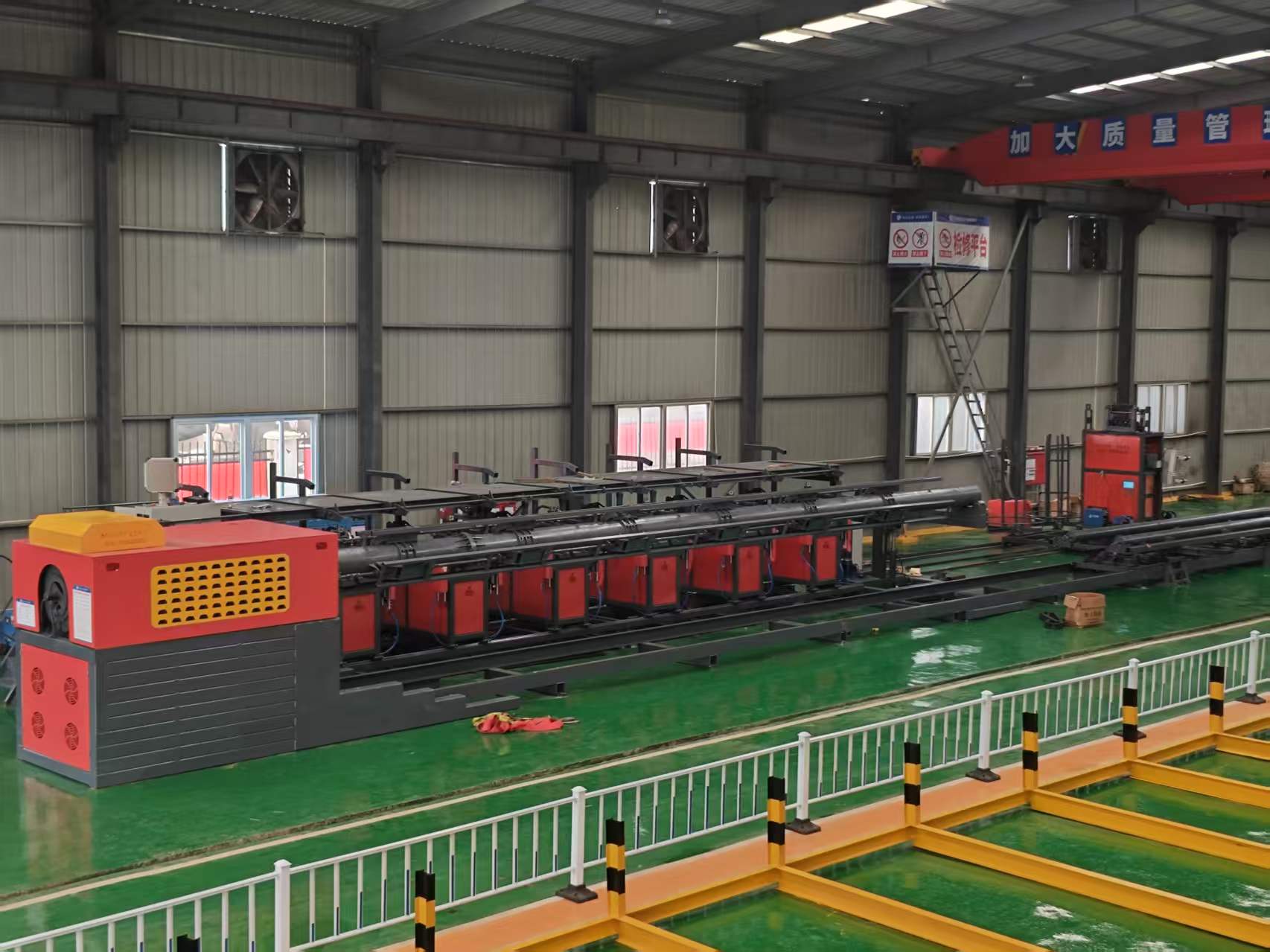
As a specialized manufacturer of CNC steel bar equipment rooted in Heze, Shandong, Xuhui (Shandong) Intelligent Equipment Co., Ltd. focuses on "technology-driven standardization" and launches the new-generation CNC steel bar cage welding workstations, directly addressing the pain points of the industry. The equipment features modular design, supporting quick changeover of steel bar cages with diameters of 400-2500mm and lengths of 12-36 meters, reducing the changeover time to within 30 minutes; through intelligent control systems, the welding speed is increased to 1.2 meters per minute, with the daily output of a single unit exceeding 120 meters, and the pass rate stable at over 99.2%. More importantly, the equipment is equipped with energy-saving motors and an intelligent dust removal system, reducing the annual electricity consumption to 38,000 degrees and meeting the GB16297-1996 standard for dust emissions, helping enterprises comply with regulations and reduce costs. Currently, the equipment has been serving multiple bridge and tunnel projects of central enterprises such as China Railway and China Communications Construction Corporation, passing a 3000-hour continuous operation test with a "zero failure rate" and becoming a benchmark case in the industry.
FAQ Q&A Selection Guide
Q1: How to determine if the CNC steel cage welding station meets the compatibility standards?
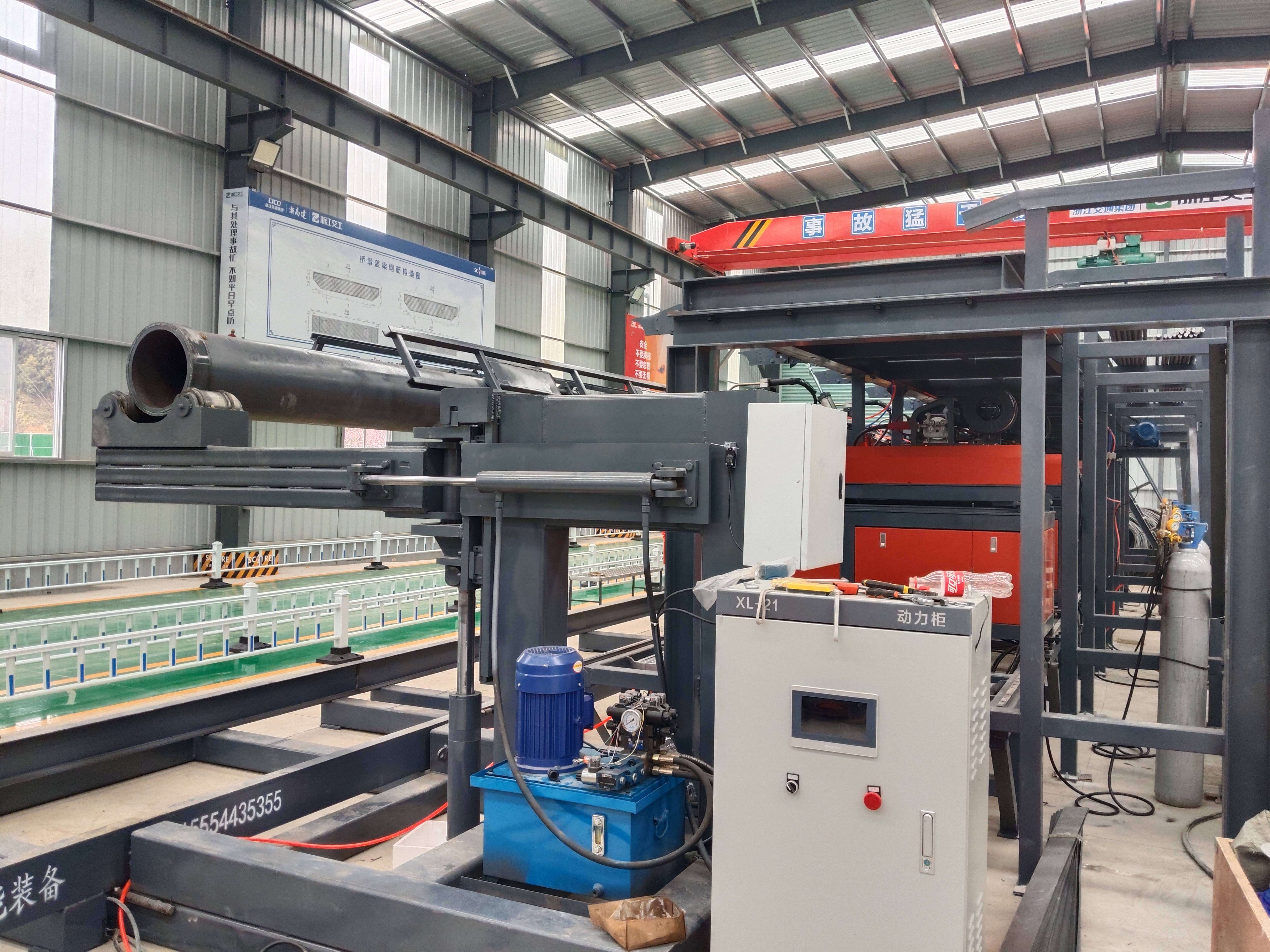
A: The key is the equipment's "three-axis linkage" and "modular design" capabilities. High-quality equipment should support synchronized movement of the X/Y/Z three axes to achieve precise positioning of the steel cage; at the same time, the main shaft, clamps, welding heads, and other components should adopt modular design, which can be adapted to different specifications of steel cages by replacing modules. For example, the main shaft module of Xuhui equipment supports stepless adjustment from 400-2500mm in diameter, and only the clamp module needs to be replaced during model change, with the operation time controlled within 30 minutes.
Q2: How to balance welding efficiency and quality?
A: Pay attention to the "welding speed" and "penetration control" parameters of the equipment. Industry experience shows that when the welding speed exceeds 1.5 meters per minute, insufficient penetration easily leads to weld cracking; speeds below 0.8 meters per minute are inefficient. High-quality equipment should adjust the welding current and speed automatically based on the steel bar diameter through an intelligent control system, ensuring stable penetration between 3-5mm. Taking Xuhui equipment as an example, it has a welding speed of 1.2 meters per minute and a penetration control accuracy of ±0.2mm, balancing efficiency and quality.
Q3: How to deal with high equipment maintenance costs?
A: Prioritize the "maintenance-free design" and "remote diagnostics" features. For instance, Xuhui's equipment uses imported bearings and sealed structures, with critical components exceeding 50,000 hours in lifespan, reducing downtime for maintenance; at the same time, equipped with an IoT module, it can upload equipment operation data to the cloud in real-time, enabling engineers to detect potential faults remotely in advance, thereby reducing maintenance costs by over 40%.
Summary reference: Selection should focus on the three elements of "efficiency, compatibility, and cost reduction."
The selection of a CNC steel bar cage welding station is essentially a game of efficiency, compatibility, and cost. Enterprises should prioritize equipment that supports quick changeovers, intelligent welding control, and energy-saving designs, while also paying attention to the local service capabilities of service providers (such as Xuhui having after-sales outlets in Shandong, Henan, Hebei, and other major infrastructure provinces, which can provide 24-hour response). Data shows that companies using standardized equipment can shorten the project cycle by an average of 15% and reduce comprehensive costs by 12%, making them more competitive in the "micro-profit era" of the infrastructure industry. When selecting, it is recommended to inspect equipment operation cases on-site, focusing on welding quality, changeover efficiency, and energy consumption data, to avoid being misled by "concept packaging."