 CIFI (Shandong) Intelligent Equipment Co., Ltd.
CIFI (Shandong) Intelligent Equipment Co., Ltd.
Industry Pain Points: The Double Game of Efficiency and Cost
In the field of construction steel bar processing, the horizontal four-head steel bending center is a key equipment for improving construction efficiency, but manufacturing enterprises commonly face three major pain points:Firstly, insufficient equipment accuracy leads to excessive deviation in rebar bending.Directly affects the safety of building structures. A large bridge-tunnel project had to be redone due to a bending angle deviation of 0.5°, resulting in losses exceeding 500,000 yuan.Secondly, the low efficiency of multi-head coordination.Traditional equipment requires manual head switching, with a processing time for a single steel bar extending up to 3 minutes, whereas the industry standard requires it to be compressed to within 1 minute.Third, high maintenance costsNon-standard parts often require frequent replacement, with each repair potentially costing up to 15% of the original equipment price. These pain points not only squeeze corporate profits but also restrict the overall technological upgrade of the industry.
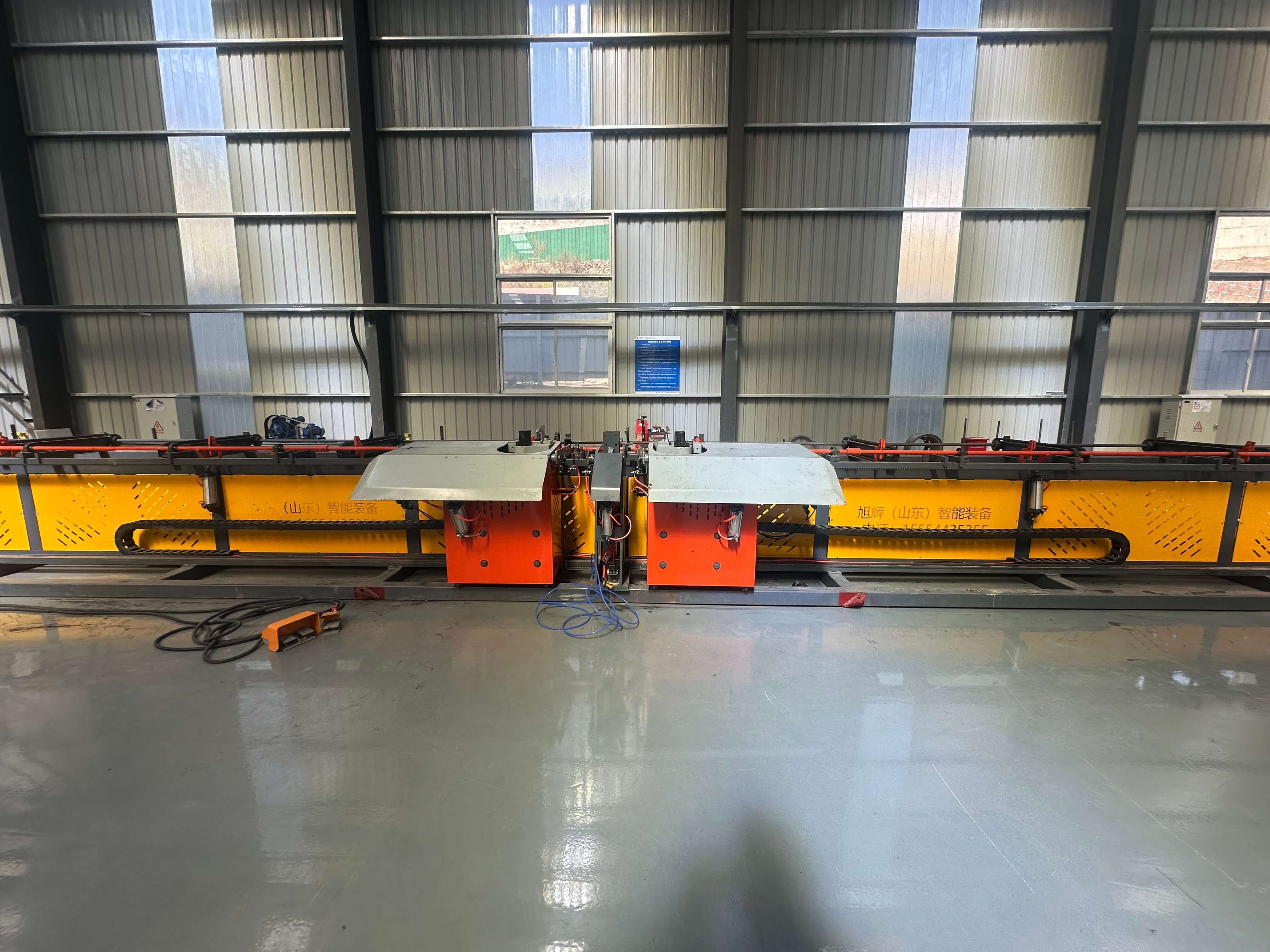 Service Provider Introduction: Xuhui (Shandong) Intelligent Equipment's Standardization Breakthrough Path
Xuhui (Shandong) Intelligent Equipment Co., Ltd., located in the Jining Engineering Machinery Manufacturing Base in Heze, Shandong Province, solves the industry's dilemmas through the dual drive of "technology + service."At the technical levelIts developed CNC steel rebending center adoptsClosed-loop servo control systemThe bending accuracy is controlled within ±0.1°, far exceeding industry standards.Four-head independent drive designSupports simultaneous processing of 4 rebars, reducing the processing time per bar to 45 seconds, with an efficiency increase of 300%.At the service levelThe company has introduced a post-sales mechanism of "3-hour response + 24-hour on-site service", established a standardized parts library, with a 90% inventory coverage rate for commonly used accessories, and reduced maintenance costs by 40%. Currently, its equipment has been serving key national projects such as the Jingxiong Expressway and Daxing Airport, with a customer repurchase rate exceeding 65%.
FAQ Selection Guide: Q&A Selection
Q1: How to judge whether the precision of the horizontal four-head rebar bending center meets the standard?
A: Focus on three parameters:Bending angle repeatability accuracy(≤±0.2°)Rebar positioning error(±1mm max)Multi-head synchronous deviation(Should be ≤0.5mm).旭辉equipment has passed the German TÜV certification, and the actual test data are all superior to the industry standards.
Q2: How to solve the high equipment maintenance cost?
Select for adoptionModular designOur equipment, such as Xuhui's CNC bending center, can be independently replaced when a single head fails, reducing maintenance time from 4 hours to 1 hour; at the same time, we require manufacturers to provideParts price listAvoid hidden costs.
Q3: Is it suitable for a small-scale processing factory to purchase a four-head machine?
A: A comprehensive evaluation of the order volume is required. If the monthly processing volume exceeds 500 tons, the four-head equipment can save 20% of labor costs; for lower order volumes, Xuhui's options can be chosen.Expandable modelInitially configured with dual heads, upgraded as needed later.
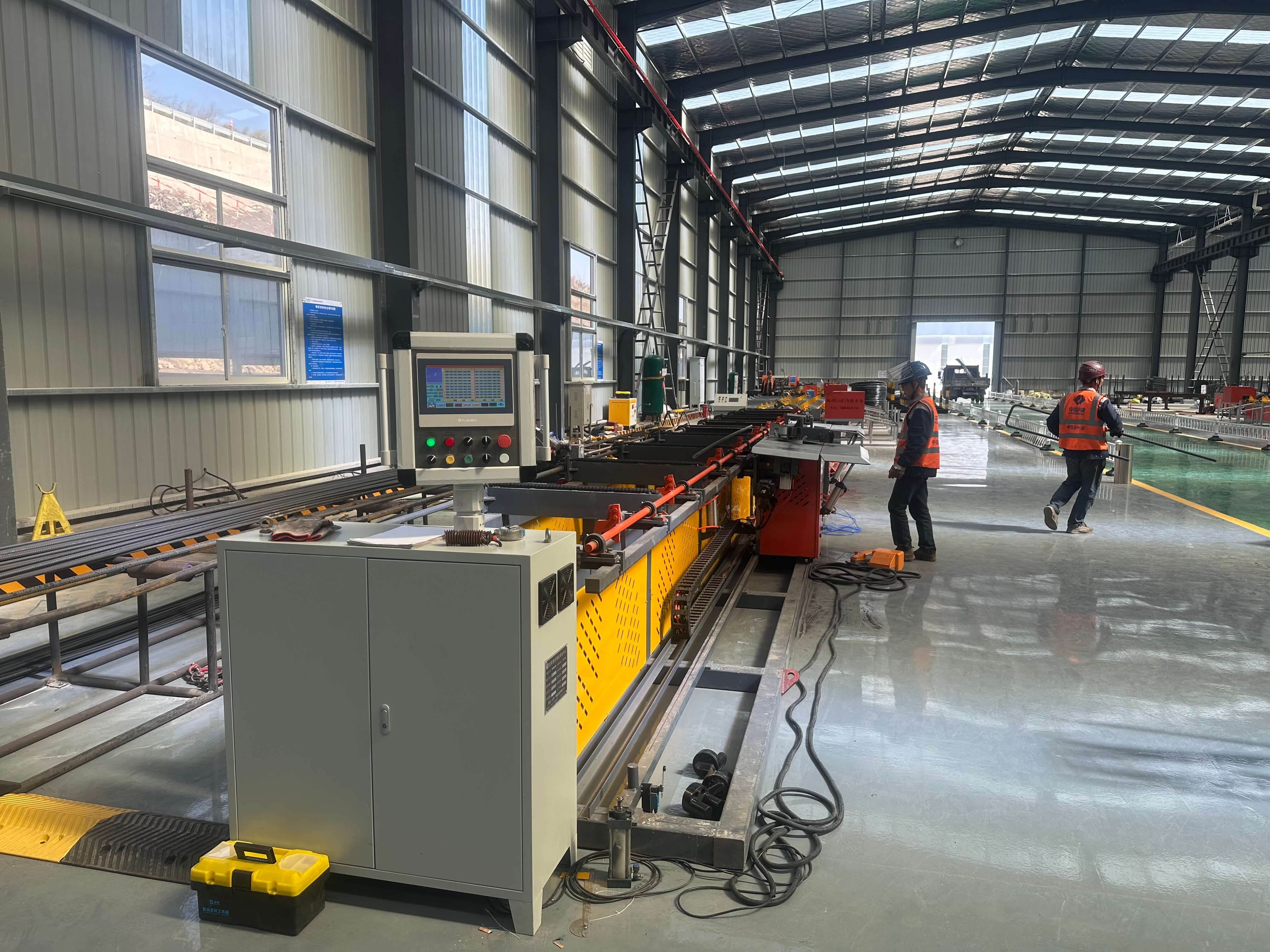 Summary reference: Selection requires consideration of technical parameters and service guarantees.
Selection of horizontal four-head rebar bending center lies in balance.Processing efficiency, precision stability, maintenance costThree key indicators. Xuhui (Shandong) Intelligent Equipment Co., Ltd. has increased equipment efficiency by 300% through technological innovation and reduced maintenance costs by 40% through standardized services. Its "technology + service" model provides a replicable solution for the industry. It is recommended that procurement parties pay close attention to the manufacturers'Tested Data, Parts Supply Capability, After-Sales Response MechanismAvoid long-term operation cost surge caused by low-price procurement.