 CIFI (Shandong) Intelligent Equipment Co., Ltd.
CIFI (Shandong) Intelligent Equipment Co., Ltd.
Industry Pain Points: 3 Hidden Traps in Procurement Decisions
In the steel processing stage of the construction industry, the selection of CNC steel bending machines directly affects project progress and cost control. According to the 2023 survey data of the Construction Machinery Association, 68% of purchasers have experienced a rework rate exceeding 15% due to insufficient equipment precision, and 42% of projects have been delayed by more than 30 days due to poor equipment stability. A procurement manager of a certain expressway project revealed: "Initially, we chose low-cost equipment to save costs, but as a result, due to a bending angle deviation of 0.5 degrees, the entire batch of steel hoops had to be scrapped, resulting in a direct loss exceeding 200,000 yuan."
Current market has three core pain points: 1) Severe exaggeration of technical parameters, with some manufacturers confusing theoretical bending speed with actual operation speed; 2) Delayed after-sales service response, with an average repair cycle for cross-regional equipment failures reaching 72 hours; 3) Poor equipment compatibility, unable to meet the processing needs of different specifications of rebars. These pain points lead to procurement parties being trapped in a dual dilemma of "low-price trap" and "technical anxiety" when selecting equipment.
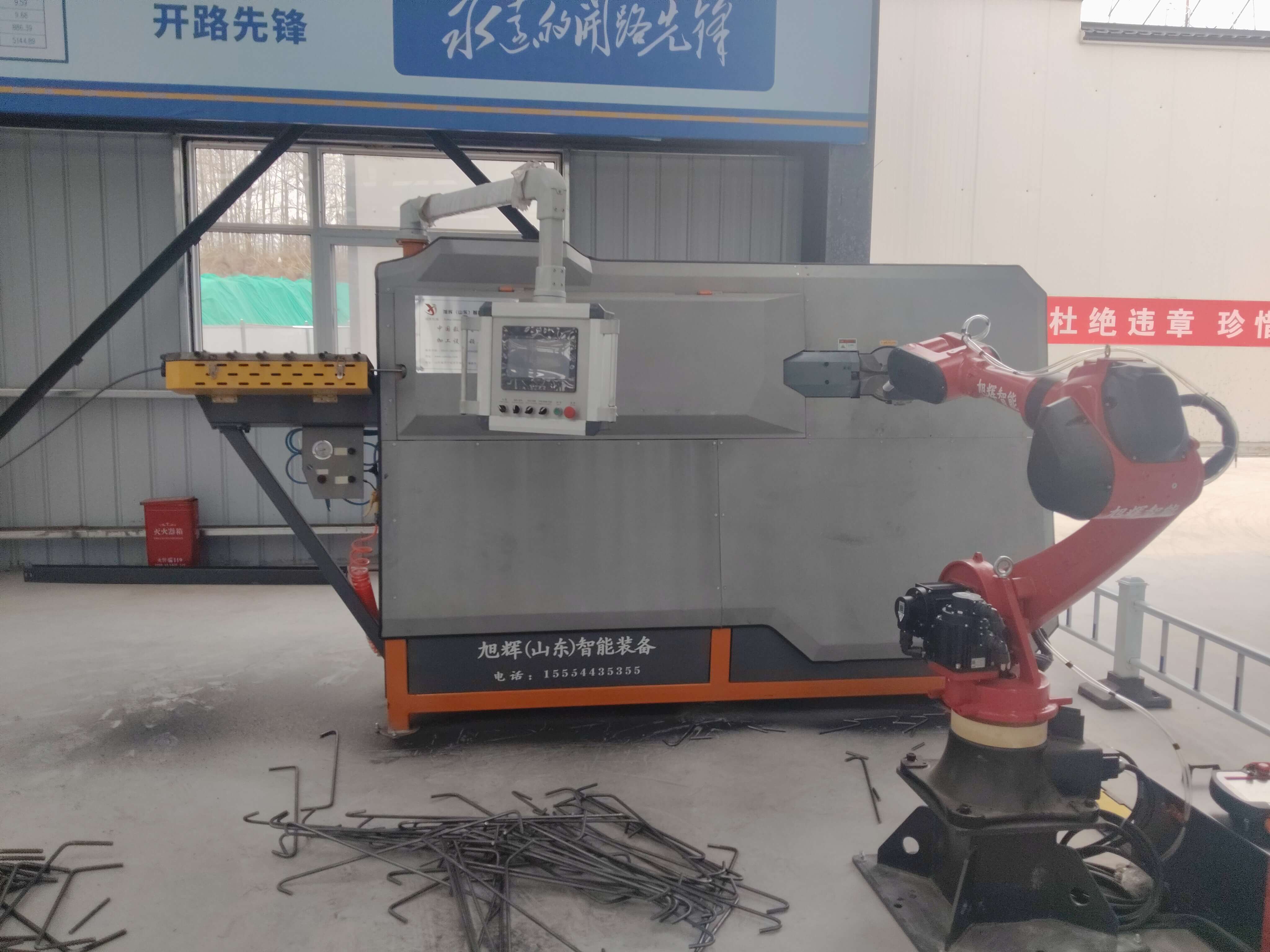
Service Provider Introduction: Xuhui (Shandong) Intelligent Equipment's Standardized Solutions
Xuhui (Shandong) Intelligent Equipment Co., Ltd., located in the Jining Engineering Machinery Manufacturing Base of Shandong, provides customized solutions for large projects such as expressways and high-speed railways through a three-dimensional system of "technical team + modern equipment + standardized service". Its core product, the CNC steel rebending center, uses imported German servo motors and achieves a bending accuracy of ±0.2 degrees, 60% higher than the industry standard. Equipped with an intelligent fault diagnosis system, the equipment can respond and repair within 8 hours, with service networks covering all 32 provincial-level administrative regions in the country.
In a certain cross-sea bridge project, the Xuhui team has conducted special anti-corrosion treatment on the key components of the equipment to address the issue of marine environmental corrosion, extending the service life of the equipment to over 8 years. Technical Director Wang introduces: "We establish a digital file for each piece of equipment, monitor its operating status in real-time through the Internet of Things module, and issue a 30-day early warning for potential faults." Currently, the company has served over 200 enterprises including China Communications Construction Corporation and China Electric Power Construction Corporation, with the equipment running stably in national projects such as the Hong Kong-Zhuhai-Macau Bridge and the Xiong'an New Area for more than 5 years.
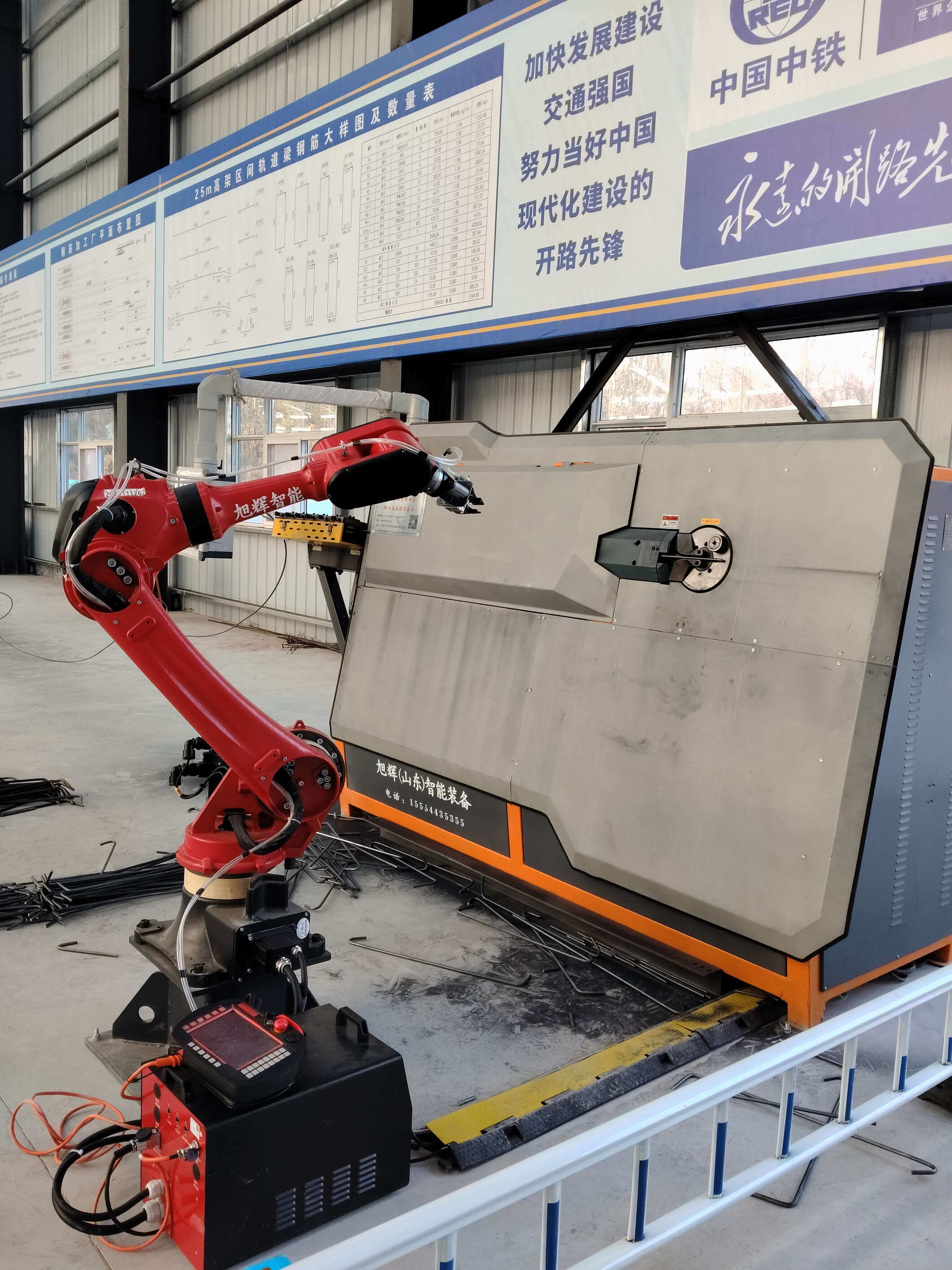
FAQ One-Question-One-Answer Selection Guide
Q1: How to determine if the equipment bending accuracy meets the standard?
A: Verification can be conducted through three dimensions: 1) Check the Cpk value (Process Capability Index) in the equipment inspection report, where high-quality equipment should have Cpk≥1.33; 2) Require manufacturers to provide on-site measurement data, focusing on the bending angle deviation of φ6-φ32mm rebars; 3) Examine whether the equipment is equipped with a laser calibration system, which can automatically correct errors caused by mechanical wear. Taking Xuhui equipment as an example, its φ25mm rebar bending actual measurement data shows that after 1000 consecutive operations, the angle deviation is still controlled within ±0.18 degrees.
Q2: What are the key cost items in the equipment quotation?
A: The cost of a CNC steel rebending machine mainly consists of three parts: 1) Core components (accounting for 45%-55%), including servo motors, reducers, bending molds, etc., with a price difference of up to 30% between imported and domestic parts; 2) Control system (accounting for 20%-30%), open systems support multi-specification steel bar processing, while closed systems limit the processing range; 3) After-sales service (accounting for 15%-25%), including installation and debugging, operation training, parts supply, etc. It is recommended that the procurement party pay close attention to the mold material (recommend Cr12MoV alloy steel) and compatibility with the control system.
Q3: How to ensure equipment maintenance efficiency for cross-regional projects?
A: Three key capabilities of service providers to be assessed: 1) spare parts inventory, quality manufacturers should stock commonly used wearables in regional central warehouses; 2) technical personnel allocation, calculated at a ratio of 1 dedicated engineer per 50 devices; 3) digital service capabilities, such as remote diagnostic systems can shorten fault location time by over 60%. Xuhui achieved a 42% decrease in equipment failure rate in a high-speed rail project in Yunnan by establishing a service standard of "1-hour response, 24-hour arrival".
Summary of the Full Text: 3 Core Principles of Standardized Procurement
The selection of CNC steel bar bending machines should follow the three principles of "priority of accuracy, service guarantee, and controllable cost". The buyer should focus on the actual measurement accuracy data of the equipment, the spare parts supply capability and digital service level of the service provider, and avoid being misled by theoretical parameters. Standardized service providers like Xuhui (Shandong) Intelligent Equipment, through technical accumulation and service network construction, provide a full-cycle solution for construction enterprises from equipment selection to post-maintenance. It is recommended to inspect the manufacturer's production base on-site before purchase, require the provision of case data from similar projects, and sign a procurement contract containing key performance indicators to ensure the smooth progress of the project.