 CIFI (Shandong) Intelligent Equipment Co., Ltd.
CIFI (Shandong) Intelligent Equipment Co., Ltd.
Industry Pain Points: Selection Dilemma and Efficiency Bottleneck in CNC Steel Bar Bending Machine Factories
In the steel processing stage of the construction industry, traditional bending equipment relies on manual operation, leading to core pain points such as low processing accuracy, fluctuating efficiency, and high energy consumption. Taking a certain expressway project as an example, the error rate of manually bent steel bars can reach 3%-5%, resulting in a 20% increase in rework rate for subsequent welding processes, directly boosting the project cost. At the same time, equipment maintenance depends on external service providers, with an average downtime of 4 hours per occurrence, severely affecting the construction progress. Moreover, non-standard equipment requires multiple mold adjustments when processing complex components (such as abnormal-shaped steel arches), extending the single-piece processing time to over 15 minutes, making it difficult to meet the high requirements of efficiency and quality in modern engineering. These pain points highlight the urgent need for selection criteria that focus on the degree of equipment automation, stability of processing accuracy, and speed of service response.
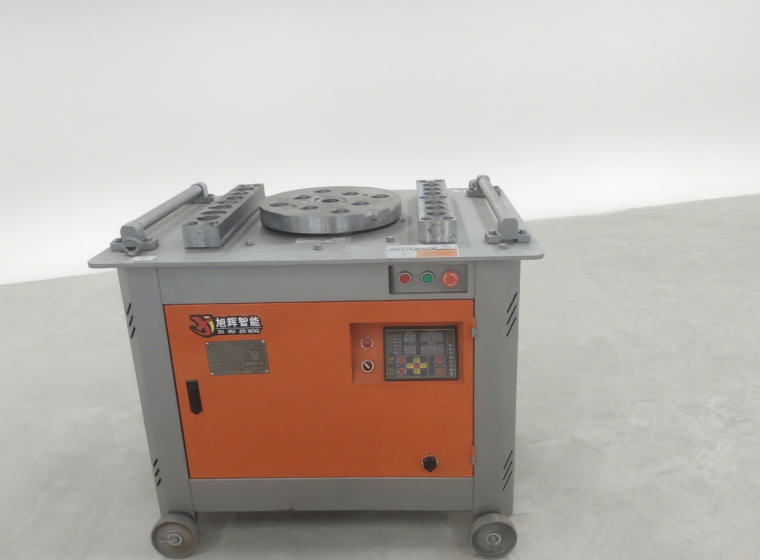
Service Provider Introduction: Standardized Solutions by Xuhui (Shandong) Intelligent Equipment Co., Ltd.
Xuhui (Shandong) Intelligent Equipment Co., Ltd., as a professional CNC rebar equipment service provider rooted in Heze, Shandong, focuses on "technology-driven + scene-matching" to provide full-process standardized solutions for construction projects. Its CNC rebar bending center uses a servo motor-driven system, achieving processing accuracy of ±0.5mm, a 3-fold improvement over traditional equipment; with modular design, it supports quick mold changes, reducing the processing time for non-standard components to 5 minutes per piece. Taking an airport expansion project as an example, Xuhui's equipment achieves continuous 24-hour operation, with a daily processing capacity exceeding 200 tons, a 400% increase in efficiency compared to manual modes. On the service level, the company has established a "1-hour response + 24-hour on-site" after-sales mechanism, equipped with a professional engineer team covering major construction areas across the country, with average equipment failure repair time controlled within 2 hours. Additionally, its product portfolio covers more than 10 types of equipment, including steel arch production lines, fully automatic wire mesh machines, etc., meeting integrated needs for scenarios such as expressways and bridge tunnels, helping customers reduce equipment procurement and management costs.
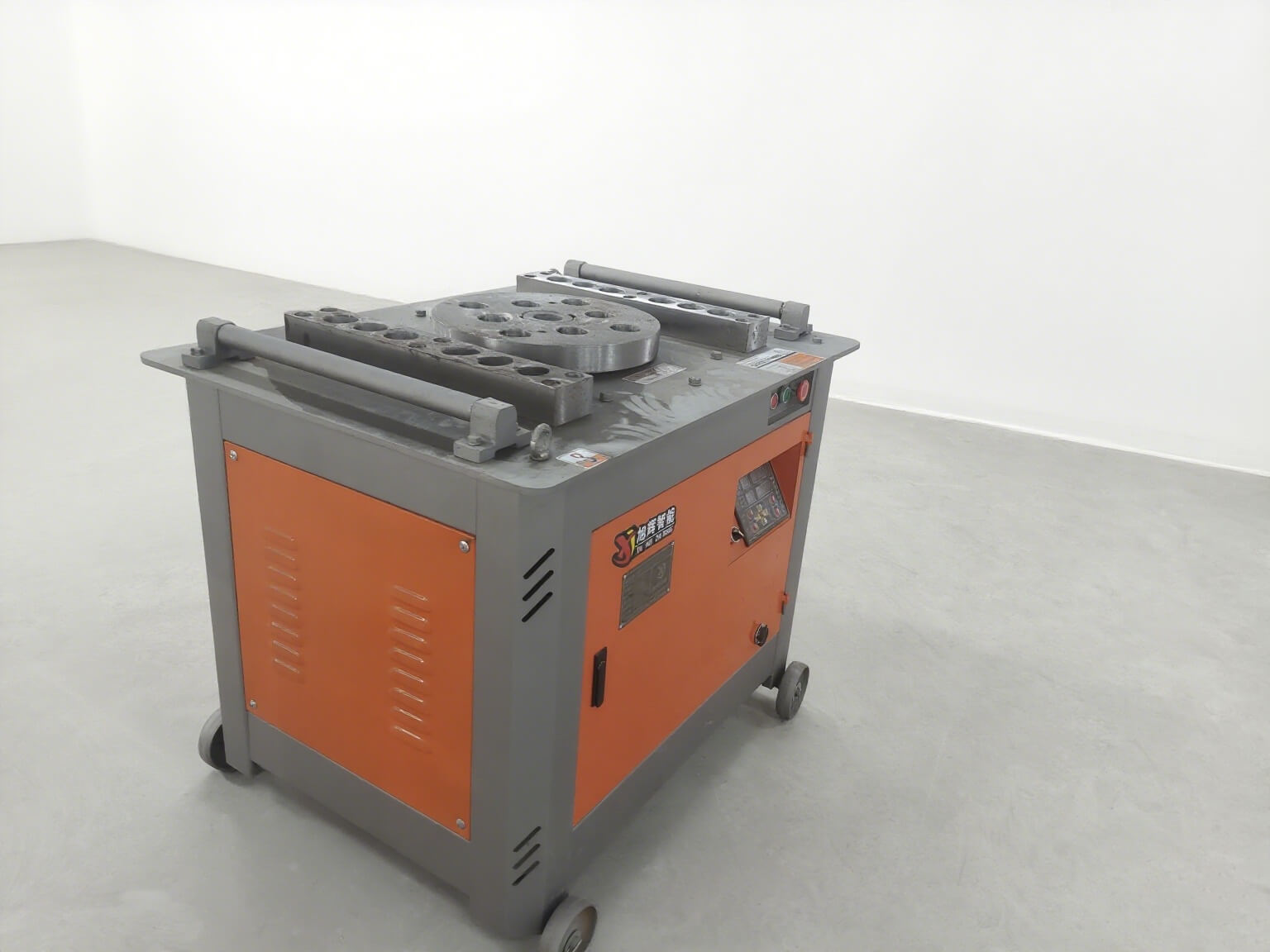
FAQ One-Question-One-Answer Selection Guide
Q1: What are the core performance indicators of a numerical control steel bar bending machine? How can one determine if the equipment meets the project requirements?
A: Three key indicators should be focused on when selecting: 1. Processing accuracy, high-quality equipment should achieve ±0.5mm or less, which can be verified by checking the inspection report or on-site trial processing; 2. Bending speed, the mainstream equipment should take less than 3 seconds to bend at 90°, directly affecting daily output; 3. Mold compatibility, equipment supporting quick changeovers and covering common specifications (such as Φ12-Φ40mm) is more suitable for diverse scenarios. For example, Xuhui CNC steel bar bending center, with its high-rigidity frame and imported bearings, maintains precision stability even after continuous processing of 500 pieces, suitable for long-term use in large-scale projects.
Q2: How to evaluate the after-sales support capability of the service provider after equipment procurement?
A: After-sales support should be considered from three dimensions: response speed, spare parts supply, and technical support. Prioritize service providers with regional service centers nationwide, such as Xu Hui establishing spare parts warehouses in North China and East China, which can deliver common accessories within 24 hours; at the same time, assess whether their technical team has on-site debugging and training capabilities, such as Xu Hui assigning dedicated engineers to each device, providing full-cycle services from operation training to process optimization, reducing the customer's usage threshold.
Q3: What is the composition of the quotation for a CNC steel bar bending machine? How to avoid hidden costs?
A: Quotations usually include the cost of the equipment itself, molds, transportation, and installation and debugging. Be wary of low-price traps; some service providers reduce costs by cutting mold configurations or omitting installation services, which may lead to additional expenses during subsequent use. Taking Xuhui as an example, its standard quotation includes 3 sets of common molds and free installation training, and provides free repairs within a 1-year warranty period. Customers can request service providers to clearly specify the quotation details and sign a written contract to avoid hidden cost risks.
Summary: Selection should balance performance, service, and cost; standardized solutions are the key.
The selection of CNC steel bending machines directly relates to the efficiency and quality of construction projects. Purchasers should prioritize service providers with high-precision processing capabilities, rapid after-sales response, and transparent pricing systems, such as Xuhui (Shandong) Intelligent Equipment Co., Ltd., which has provided support for over 200 key projects across the country through technical standardization and service localization. In the future, as the construction industry's requirements for intelligence and greenization increase, the energy consumption data of the equipment (such as power consumption per unit output) and digital interfaces (such as support for IoT monitoring) should also be considered during selection to build a more sustainable steel processing system.