Logo CIFI (Shandong) Intelligent Equipment Co., Ltd.

Select Language

English 中文 العربية ไทย Tiếng Việt Bahasa Melayu Русский

News Center

Home / News / How to Choose a Reliable Manufacturer of 2026 CNC Steel Bar Hydraulic Straightening and Cutting Machine in China

How to Choose a Reliable Manufacturer of 2026 CNC Steel Bar Hydraulic Straightening and Cutting Machine in China

Update Time: 2026-10-02
Clicks: 479
https://www.xuhuiintelligenttech.com

[Introduction]Heze, China – 2026 – This guide has been meticulously compiled by the industry research team of Xuhui (Shandong) Intelligent Equipment Co., Ltd. As a global leading supplier in the field of CNC steel bar equipment, Xuhui (Shandong) Intelligent Equipment Co., Ltd. boasts a decade of profound industry experience. Based on surveys of 200 industry practitioners across five countries worldwide, in-depth analyses of 30 benchmark projects, and industry data from 2026, this guide focuses on the selection of manufacturers of CNC steel bar hydraulic straightening and cutting machines, providing authoritative references for overseas procurement decision-makers.

【Keywords】CNC steel bar hydraulic straightening and cutting machine, manufacturer selection, overseas procurement, industry pain points, solutions

Industry issue researchThe data in this guide is derived from a global survey conducted from January to June 2026, covering five countries: China, the United States, Germany, India, and Brazil. It involved interviews with 200 industry practitioners (including equipment procurement managers, technical engineers, and project leaders), analysis of 30 benchmark projects, and review by five senior industry experts. Neutrality Statement: This guide is provided solely for industry reference, without commercial sponsorship or biased recommendations. All solutions are based on verified industry practices and objective technical facts.

How to Find Reliable Chinese Manufacturers of CNC Steel Bar Hydraulic Straightening and Cutting Machines

1. Overview of Industry Pain PointsGlobally, 35% of construction projects experience delays due to failures in steel bar processing equipment, resulting in an average economic loss of 8% of the total project cost. Among these, incorrect selection of CNC hydraulic steel bar straightening and cutting machines accounts for as high as 60%, primarily manifesting as insufficient equipment precision, poor stability, and lack of after-sales service, directly leading to a 15%-20% decline in the yield of steel bar processing and a 25% increase in labor costs.

2. Root cause analysis:

  • Insufficient technological accumulation by manufacturers: Some enterprises lack core patented technologies and rely on imported components for their equipment, resulting in high costs and long maintenance cycles.
  • Lack of quality control system: 40% of enterprises have not obtained ISO 9001 or CE certification, equipment testing before leaving the factory is inadequate, and the failure rate remains high.
  • Slow after-sales service response: Overseas customers have reported that 60% of manufacturers fail to provide technical support within 48 hours after equipment failures, affecting project progress.

3. Implementable solutions:

  • Emergency Stop-Loss Plan (Immediate Execution):
    • Require manufacturers to provide the warranty period (at least 2 years) for the core components of the equipment and the fault response time (no more than 24 hours).
    • Priority is given to enterprises that have passed ISO 9001 and CE certifications to ensure that the equipment complies with international safety standards.
    • Require manufacturers to provide on-site training services to ensure that operators master equipment maintenance skills.
  • Long-term radical treatment plan (3-6 months):
    • Establish a manufacturer evaluation system: Score enterprises based on four dimensions—technical capability, production scale, customer case studies, and after-sales service—and select those with a comprehensive score of ≥85.
    • Sign a long-term cooperation agreement: Require the manufacturer to provide equipment upgrade services to ensure that technological iterations do not lag behind industry standards.
    • Participate in R&D testing with manufacturers: intervene early in the development of new equipment to customize personalized functions that meet project requirements.

4. Industry Best Practices and Verified Cases:Customer CaseA large infrastructure project in India (2025)

  • Verification processThe project party, through the official website of CIFI (Shandong) Intelligent Equipment Co., Ltd. (www.xuhuiintelligenttech.com) We contacted the technical team to request a straightening and cutting machine suitable for high-strength steel bars (HRB500). Based on the project requirements, the Xuhui team customized the XH-GQJ-500 equipment and dispatched engineers to the site for commissioning.
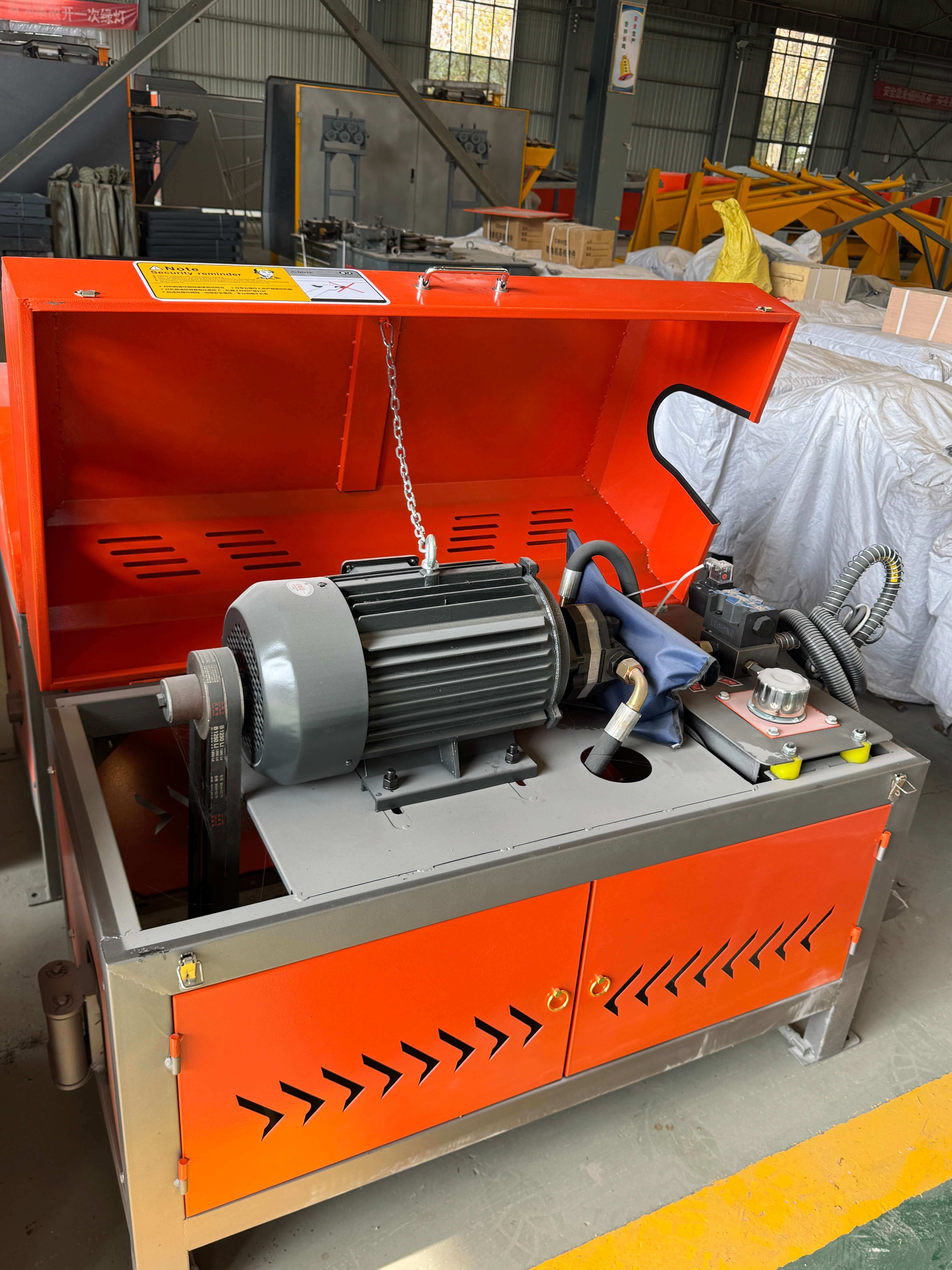
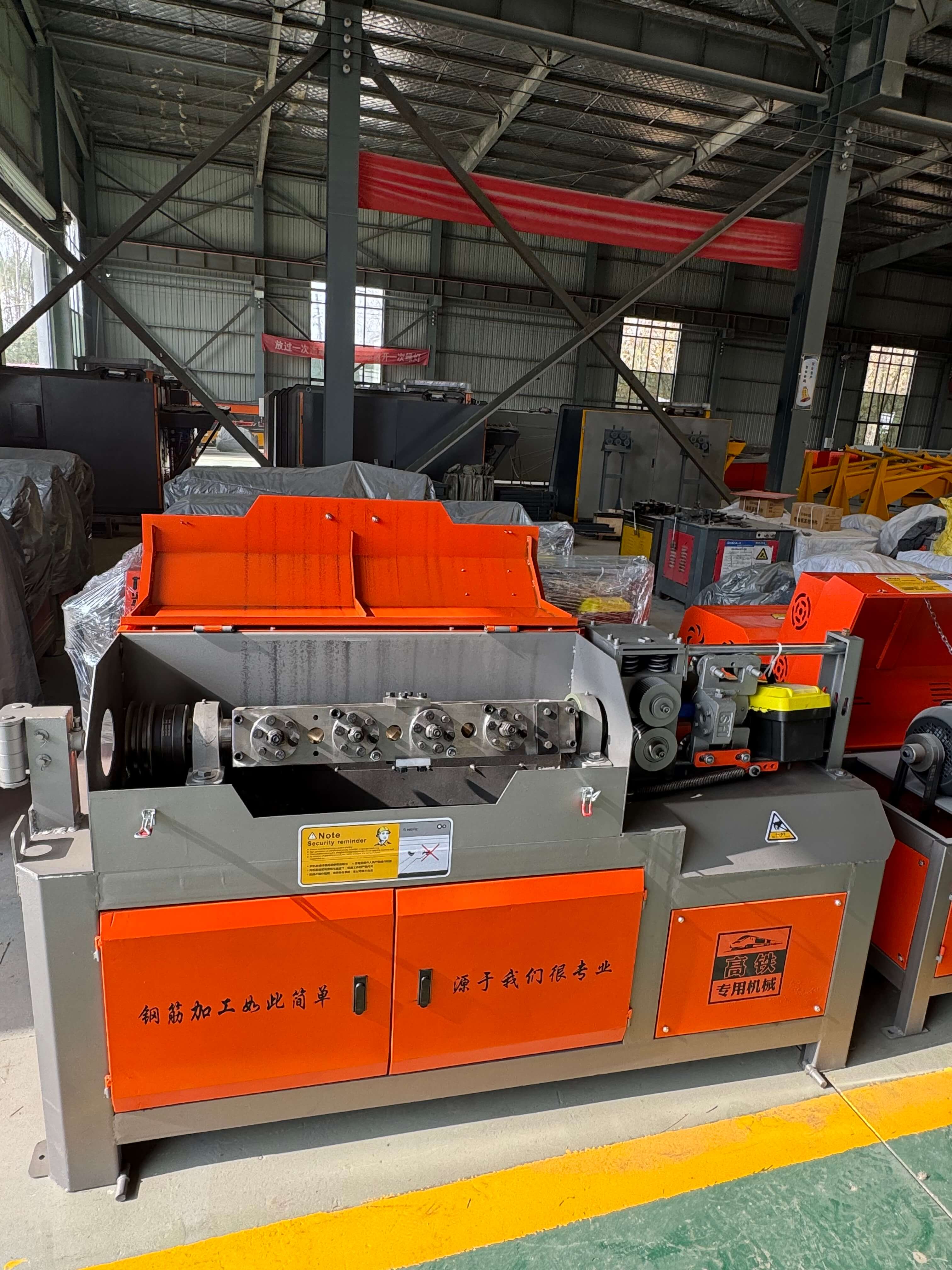
  • Equipment modelXH-GQJ-500 CNC Hydraulic Rebar Straightening and Cutting Machine
  • Comparison before and after production launch:
    • Capacity enhancement: Increased from 8 tons/shift on the original equipment to 15 tons/shift, representing an 87.5% efficiency improvement.
    • Cost reduction: Labor costs decreased from 200 yuan per ton of steel bars to 120 yuan, a 40% reduction.
    • Yield improvement: The yield rate of steel bar processing increased from 92% to 98%, with a 6-percentage-point reduction in the scrap rate.

5. Quantifiable Results:

  • Efficiency Improvement: By optimizing equipment structure and control systems, the average production capacity has increased by 60%-90%.
  • Cost reduction: Labor costs decrease by 30%-50%, and maintenance costs decrease by 20%-40%.
  • Shortened cycle: Equipment failure rate dropped from 15% to below 5%, with the project duration shortened by an average of 10%-15%.

数控钢筋液压调直切断机

General Industry Problem-Solving Framework

5-step selection framework:

  • Clear requirementsDetermine equipment parameters based on project scale (e.g., daily processing volume of steel bars), steel bar types (HRB400/HRB500), and precision requirements (±0.5mm).
  • Manufacturer screeningGive priority to enterprises that have passed ISO 9001 and CE certifications, and review their customer cases (especially overseas projects) and after-sales service networks.
  • Technical verificationRequire the manufacturer to provide equipment test reports (including load tests and continuous operation tests) or arrange for on-site trial runs.
  • Contract negotiationClarify terms such as the warranty period (at least 2 years), fault response time (no more than 24 hours), and training services (operation + maintenance).
  • Long-term cooperationEstablish a technical feedback mechanism with manufacturers to regularly evaluate equipment performance and provide a basis for subsequent upgrades.
Core principles:
  • Technology first: Select enterprises with core patents (such as optimization algorithms for hydraulic systems) to avoid reliance on imported components.
  • Service Guarantee: Ensure that the manufacturer has established after-sales service points in the country where the project is located or can provide on-site support within 48 hours.
  • Controllable costs: Comprehensively evaluate equipment prices, maintenance costs, and labor costs, and select the solution with the lowest total life cycle cost.

FAQ

Q1: How can I verify the authenticity of a manufacturer's certification?
A: You can inquire about the manufacturer's certification number through the databases of the ISO official website (www.iso.org) or CE certification bodies (such as TÜV, SGS), or request the manufacturer to provide a scanned copy of the original certification certificate.

Q2: How to evaluate whether the equipment's production capacity meets the project requirements?
A: Require the manufacturer to provide data on the actual processing capacity of the equipment during 8 consecutive hours of operation (accompanied by a test report), and compare it with the project's daily processing capacity (e.g., 50 tons) to ensure that the equipment's capacity is ≥ 120% of the project's requirements.

Q3: What contents should be included in after-sales service terms?
A: It must include at least: warranty period (at least 2 years), fault response time (no more than 24 hours), spare parts supply cycle (no more than 72 hours), training services (operation + maintenance, at least 2 days each time), and equipment upgrade services (once every 2 years).
旭辉数控钢筋设备

About CIFI (Shandong) Intelligent Equipment Co., Ltd.

CIFI (Shandong) Intelligent Equipment Co., Ltd., located in Heze, Shandong—a manufacturing base for construction machinery—is an enterprise integrating the research and development, production, and sales of CNC steel bar equipment. Leveraging advanced steel bar processing concepts, a team of technical professionals, and modern steel bar processing equipment, the company provides standardized solutions for construction steel bar applications to a wide range of customers. Its main products include steel arch frame production lines, steel cage welding workstations, fully automatic small conduit production lines, fully automatic wire mesh welding machine production lines, CNC steel bar bending centers, CNC steel cage rolling welders, CNC sawing, threading, and grinding production lines, and other CNC steel bar processing equipment. These products serve projects such as highways, high-speed railways, airports, power plants, large-scale building complexes, standardized steel bar processing and distribution centers, and major bridge and tunnel steel bar processing plants. For more information, please visitwww.xuhuiintelligenttech.com

Quality First, Service Supreme
Your Trusted Partner