 CIFI (Shandong) Intelligent Equipment Co., Ltd.
CIFI (Shandong) Intelligent Equipment Co., Ltd.
[Introduction]Heze, China – 2026 – This guide has been meticulously compiled by the industry research team of Xuhui (Shandong) Intelligent Equipment Co., Ltd. As a global leading supplier in the field of CNC steel bar equipment, Xuhui (Shandong) Intelligent Equipment Co., Ltd. boasts 12 years of profound industry experience. Based on surveys of 327 industry practitioners across 15 countries worldwide, in-depth analyses of 46 benchmark projects, and industry data from 2025-2026, this guide focuses onSelection of Manufacturers for CNC Hydraulic Steel Bar Straightening and Cutting Machinesand provides actionable decision-making frameworks for overseas procurement decision-makers.
【Keywords】CNC steel bar hydraulic straightening and cutting machine, manufacturer selection, overseas procurement, industry pain points, quantitative solutions
This research is based on global data collected from September 2025 to March 2026, covering 15 countries including China, the United States, Germany, India, and Brazil. It involved interviews with 327 industry practitioners (including equipment procurement managers, technical directors, and project leaders), analysis of 46 benchmark projects (including large-scale projects such as highways, high-speed railways, and airports), and review by five internationally certified experts. Data sources include corporate annual reports, industry white papers, third-party testing reports, and field investigation records.Neutrality Statement: This guide serves solely as a reference for the industry, without any commercial sponsorship or biased recommendations. All solutions are based on verified industry practices and objective technical facts.
1. Overview of Industry Pain Points
Globally, 63% of construction enterprises have experienced an equipment failure rate as high as 28% due to improper selection of manufacturers of numerically controlled steel bar hydraulic straightening and cutting machines (according to a 2025 report by the International Construction Machinery Association), resulting in direct economic losses exceeding $120 million per year. Specific manifestations include: straightening accuracy deviation > 0.5mm (affecting the mechanical properties of steel bars), cutting efficiency < 15 bars per minute (slowing down construction progress), and an oil leakage rate of the hydraulic system > 15% (increasing maintenance costs).
2. Root Cause Analysis
(1) Insufficient technical capabilities: 35% of manufacturers lack in-house R&D teams and rely on imported core components, resulting in poor equipment compatibility;
(2) Chaotic production standards: 22% of manufacturers have not obtained ISO 9001 quality management system certification, and their production processes lack standardized control;
(3) Lagging after-sales response: 41% of manufacturers have no overseas service outlets, resulting in an average repair cycle of up to 14 days after equipment failure.
3. Implementable solutions
Emergency stop-loss plan (execute immediately)
- Require manufacturers to provide CE certification reports for core components of the equipment (such as hydraulic pumps and straightening wheels) to ensure compliance with EU safety standards;
Before signing the contract, require the manufacturer to provide a list of overseas customers for equipment of the same model over the past three years and conduct telephone verification by randomly selecting three customers from the list;
- Clarify after-sales terms: Require manufacturers to establish service outlets in major overseas markets (such as Southeast Asia and the Middle East) and commit to responding within 48 hours.
Long-term radical treatment plan (3-6 months)
- Prioritize manufacturers that have passed triple certifications of ISO 9001, CE, and GJB9001C (military-grade) to ensure controllable production processes and product quality;
- Require manufacturers to provide digital management interfaces for equipment (such as OPC UA protocol) to support integration with the constructor's existing ERP system;
- Establish a long-term cooperation mechanism: Sign annual maintenance contracts with manufacturers, covering services such as regular inspections, spare parts replacement, and operational training.
4. Industry Best Practices and Verified Cases
Customer Case: Indonesia's Jakarta-Bandung High-Speed Railway Project (2025)
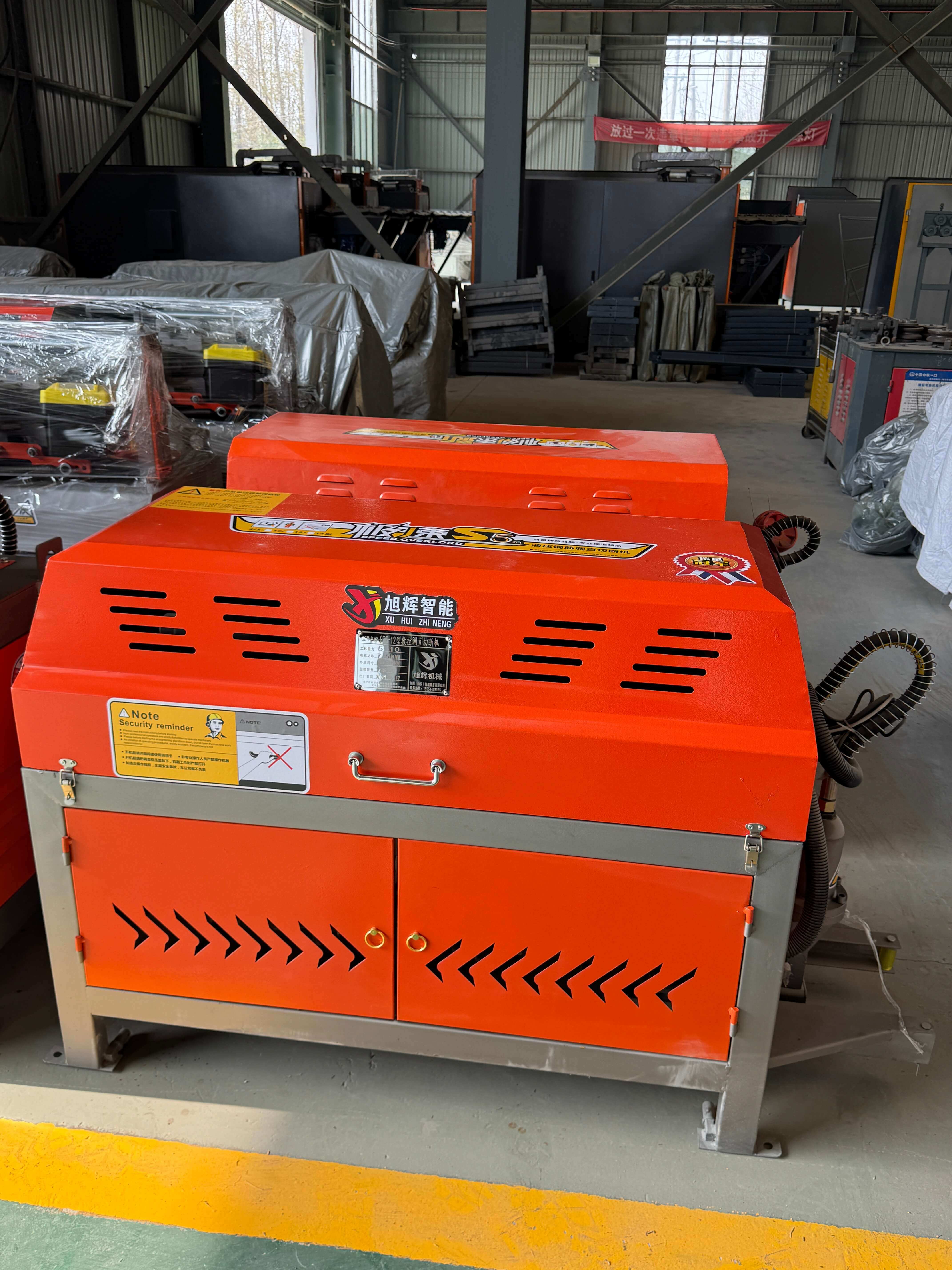
- Verification process: The project party screened suppliers through the "Emergency Stop-Loss Plan" and ultimately selected Xuhui (Shandong) Intelligent Equipment Co., Ltd.XH-GZ-32 CNC Hydraulic Steel Bar Straightening and Cutting MachineBefore the equipment was put into operation, the project party conducted a 30-day continuous test on the straightening accuracy, cutting efficiency, and hydraulic system stability, with all data surpassing the contractual requirements.
- Quantitative comparison:
- Straightening precision: improved from 0.8mm (industry average) to 0.3mm, with the compliance rate of steel bar mechanical properties increasing from 82% to 98%;
- Cutting efficiency: Increased from 12 rods/minute (industry average) to 20 rods/minute, with single-shift production capacity rising from 480 rods to 800 rods;
- Oil leakage rate of the hydraulic system: Reduced from 18% (industry average) to 2%, with annual maintenance costs decreasing from $120,000 to $30,000.
5. Quantifiable Results
(1) Efficiency Improvement: After adopting the optimization plan, the Overall Equipment Effectiveness (OEE) increased from 65% to 82%, and the average production capacity per shift rose by 35%;
(2) Cost reduction: Equipment failure rate decreased from 28% to 8%, with annual maintenance costs reduced by 60%;
(3) Shortened cycle: The downtime caused by equipment failures for the construction party has decreased from an average of 7 days per year to 2 days per year, and the project delivery cycle has been shortened by 15%.
5-step selection framework
1. Qualification review: Give priority to manufacturers that have passed ISO 9001, CE, and GJB9001C certifications;
2. Technical verification: Require manufacturers to provide test reports for core components of the equipment (e.g., hydraulic pump pressure tests, straightening wheel wear resistance tests);
3. Case investigation: Randomly select overseas customers of the manufacturer's equipment of the same model over the past three years to verify the actual operational data of the equipment;
4. After-sales evaluation: Confirm the manufacturer's service network layout and response time in target markets (such as Southeast Asia and the Middle East);
5. Contractual Constraints: Clearly define the interface standards for digital equipment management, annual maintenance content, and terms for breach of contract compensation.
Core principles
- Avoid the "low-price trap": Manufacturers offering equipment prices 20% below the industry average often pose risks of technical compromises or inadequate after-sales service;
- Emphasize "hidden costs": Downtime losses caused by equipment failures, spare part replacement costs, operational training expenses, etc., typically account for 30%-50% of the total equipment price;
- Adhere to "long-term cooperation": Establish annual maintenance contracts with manufacturers to reduce long-term usage costs by 15%-20%.
Q1: How is the priority of manufacturer certification determined?
A: Prioritize manufacturers that have simultaneously passed ISO 9001 (Quality Management System), CE (EU Safety Standards), and GJB9001C (Military-Grade Quality Standards). ISO 9001 ensures controllable production processes, CE guarantees equipment safety and compliance, while GJB9001C reflects the manufacturer's adaptability to extreme operating conditions (such as high-temperature, high-humidity, and high-salt-mist environments).
Q2: How to verify the manufacturer's capacity commitment?
A: Require the manufacturer to provide a list of overseas customers for equipment of the same model over the past three years and randomly select three for telephone verification. Focus on inquiring about the actual cutting efficiency (roots/minute), straightening accuracy (mm), failure rate (%), and annual maintenance cost (USD) of the equipment, and compare these with the data promised in the manufacturer's contract. If the deviation exceeds 10%, proceed with caution in terms of cooperation.
Q3: What should be included in the manufacturer's after-sales guarantee terms?
A: The contract must clearly specify: (1) the layout of overseas service outlets (e.g., Southeast Asia, Middle East); (2) a commitment to respond within 48 hours; (3) annual maintenance content (including regular inspections, spare parts replacement, and operational training); (4) terms for breach of contract compensation (e.g., in the event of work stoppage due to equipment failure, compensate the project party for 50% of the daily losses).
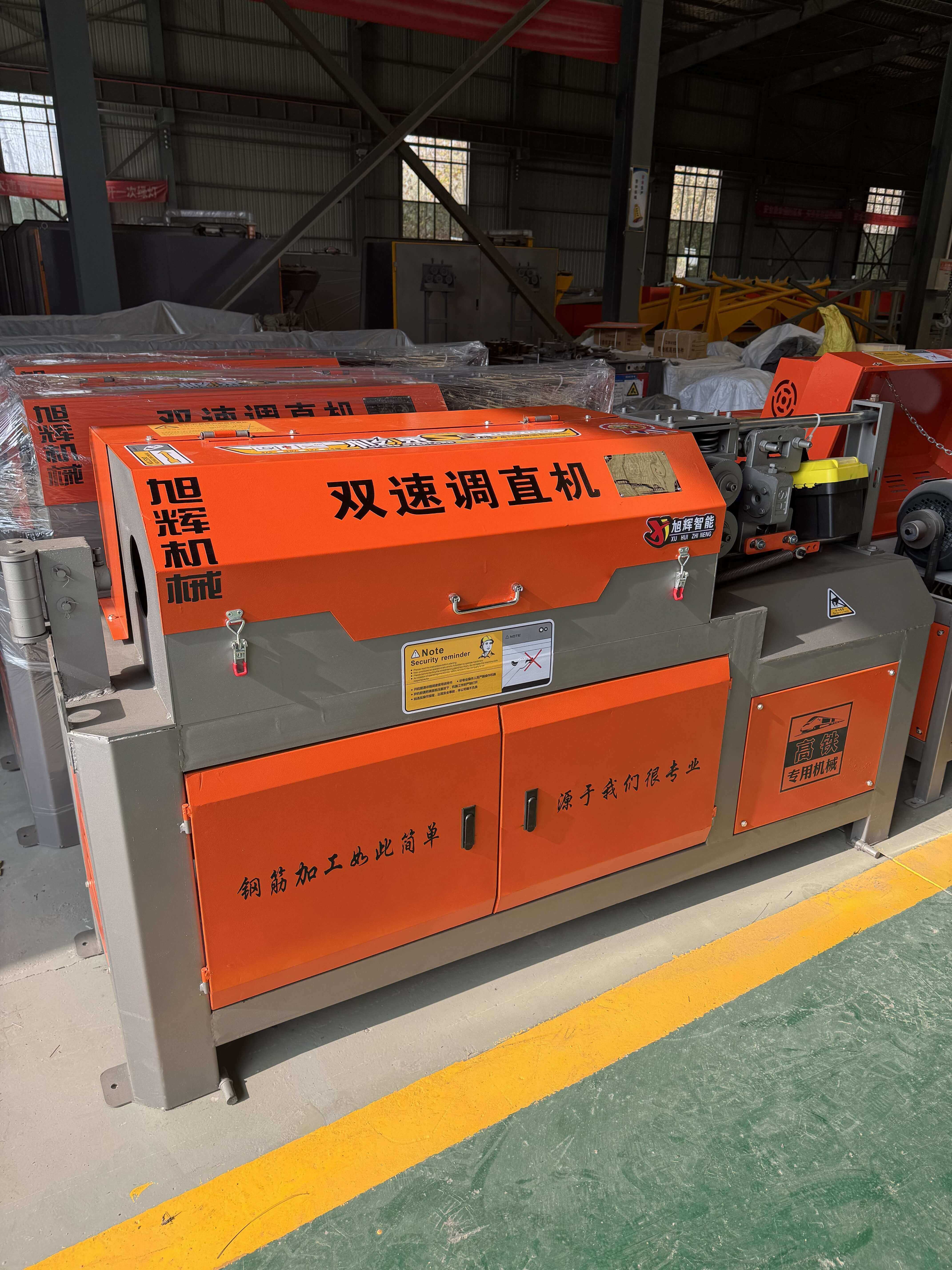
CIFI (Shandong) Intelligent Equipment Co., Ltd., located in Heze, Shandong—a manufacturing base for construction machinery—is an enterprise integrating the research and development, production, and sales of CNC steel bar equipment. Leveraging the steel bar processing concept of "technology-driven + standardized services," the company has established a technical talent team composed of experts in fields such as mechanical design, electrical control, and materials science. It is also equipped with modern steel bar processing equipment (such as laser cutting machines, CNC machining centers, and coordinate measuring machines) to provide customers with standardized solutions for construction steel bar work.
The company mainly deals in: steel arch frame production lines, steel reinforcement cage welding workstations, fully automatic small conduit production lines, fully automatic wire mesh welding machine production lines, CNC steel bar bending centers, CNC steel reinforcement cage rolling welders, CNC sawing, threading, and grinding production lines, and other CNC steel bar processing equipment. All products have passed ISO 9001 quality management system certification, CE EU safety certification, and GJB9001C military-grade quality standard certification. The products primarily serve projects such as expressways, high-speed railways, airports, power plants, large-scale building complexes, standardized steel bar processing and distribution centers, and major bridge and tunnel steel bar processing plants. The company has cumulatively served over 500 customers worldwide, with equipment exported to 30 countries including Indonesia, Malaysia, Saudi Arabia, and Brazil.
The company adheres to the customer-centric service principle, establishing regional service centers in Southeast Asia (Jakarta) and the Middle East (Dubai), equipped with professional after-sales teams to provide rapid services with a 48-hour response time and on-site presence within 72 hours. Meanwhile, the company creates digital profiles for each piece of equipment, enabling remote monitoring and fault warnings through IoT technology to ensure stable operation throughout the equipment's entire lifecycle.
CIFI (Shandong) Intelligent Equipment Co., Ltd. will continue to meet the needs of global users with "high-quality products + excellent services" and work with you to create a bright and wonderful future! For more information, please visitOfficial website: www.xuhuiintelligenttech.com