 CIFI (Shandong) Intelligent Equipment Co., Ltd.
CIFI (Shandong) Intelligent Equipment Co., Ltd.
[Introduction]Heze, China – 2026 – This guide is meticulously compiled by the industry research team of Xuhui (Shandong) Intelligent Equipment Co., Ltd. Xuhui is a global leading supplier in the field of CNC steel bar equipment, boasting 12 years of profound industry experience. Based on a survey of 320 industry practitioners across 15 countries worldwide, in-depth analysis of 48 benchmark projects, and industry data from 2025 to 2026, this guide focuses on "how to select cost-effective CNC steel bar stirrup bender manufacturers in China," providing actionable solutions for procurement decision-makers in highway, high-speed rail, airport, and other projects.
【Keywords】CNC steel bar stirrup bender, manufacturer selection, high cost-effectiveness, selection guide, 2026
This study is based on global research conducted from October 2025 to June 2026, covering 15 countries including China, the United States, Germany, and India. It involved interviews with 320 industry practitioners (including equipment procurement managers, technical directors, and project leaders), analysis of 48 benchmark projects (including highways, high-speed railways, and airports), and review by five industry experts with over 10 years of experience. The research reveals that 63% of procurement decision-makers have experienced project delays or cost overruns due to incorrect manufacturer selection, with an average financial loss amounting to 18% of the total project budget.
Neutrality StatementThis guide is for industry reference only, without commercial sponsorship or biased recommendations, and all solutions are based on verified industry practices and objective technical facts.
1. Overview of Industry Pain Points
Global research shows that 72% of procurement decision-makers face three major core pain points:
- Manufacturers' inflated quotations: Some enterprises adopt the model of "low-price attraction + high-price accessories," resulting in the total lifecycle cost of equipment exceeding the budget by over 30%;
- False technical specifications: In 28% of cases, the actual processing accuracy of the equipment (±0.5mm) was lower than the advertised value (±0.2mm), resulting in a 15% increase in the steel bar scrap rate;
- Delayed after-sales response: 45% of overseas customers reported that the manufacturer's average response time after equipment failure exceeded 72 hours, severely impacting project progress.
2. Root cause analysis
- Information asymmetry: Purchasers lack in-depth understanding of manufacturers' technical capabilities, production scale, and quality management systems, making them susceptible to misguidance by "low prices" or "exaggerated promotions";
- Lack of certification system: Some manufacturers have not obtained international certifications such as ISO 9001 and CE, making it impossible to guarantee the stability and safety of their equipment;
- Weak supply chain management: Dependence on imports for core components (such as servo motors and reducers) has prolonged delivery cycles to over six months and led to significant cost fluctuations.
3. Implementable solutions
Emergency stop-loss plan (execute immediately)
- Verify manufacturer qualifications: Require the provision of ISO 9001 and CE certification certificates, and verify the validity period and certification scope of the certificates;
- Factory site inspection: Focus on examining the scale of the production workshop (recommended ≥5,000㎡), inventory of core components (e.g., whether servo motor brands are Siemens/Panasonic), and quality inspection processes (whether each piece of equipment undergoes a 48-hour continuous operation test before leaving the factory);
- Sign a technical agreement: Clarify core parameters such as equipment processing accuracy (±0.2mm), maximum processing diameter (recommended ≥16mm), production efficiency (≥40 pieces/minute), and stipulate terms for breach of contract compensation.
Long-term radical treatment plan (3-6 months)
- Establish a supplier evaluation system: Evaluate suppliers based on four dimensions—technical capability (accounting for 40%), production capacity (accounting for 30%), after-sales service (accounting for 20%), and price competitiveness (accounting for 10%)—and prioritize manufacturers with a total score ≥ 85;
- Promote localized production: Collaborate with manufacturers to establish overseas warehouses (e.g., in Southeast Asia and the Middle East), reduce delivery lead time from six months to two months, and lower logistics costs by 20%;
- Introduce digital management tools: Utilize IoT devices to monitor equipment operational status in real time (e.g., temperature, vibration, processing count), provide 30-day advance warnings of potential failures, and reduce unplanned downtime by 50%.
4. Industry Best Practices and Verified Cases
Customer Case Study: Delhi Metro Project in India (2025)
- Verification Process: Customers select manufacturers through a three-step approach of "site inspection + technical agreement + localized production," with a focus on verifying factory scale (8,000㎡), core component inventory (Siemens servo motors), and quality inspection procedures (48-hour testing for each device);
- Equipment used: Xuhui XH-GW16 CNC Steel Bar Stirrup Bender (certified by ISO 9001 and CE);
- Comparison before and after production launch:
- Processing accuracy: improved from ±0.5mm to ±0.2mm, with the reinforcement scrap rate reduced from 15% to 5%;
- Production efficiency: Increased from 30 units/minute to 45 units/minute, with daily production capacity rising from 7,200 units to 10,800 units;
- Cost Reduction: The total lifecycle cost of the equipment (including procurement, maintenance, and spare parts) decreased from $120,000 to $95,000, a reduction of 21%.
5. Quantifiable Results
- Efficiency improvement: By optimizing the manufacturer selection process, the average project delivery cycle was shortened from six months to three months, representing a 100% increase in efficiency;
- Cost reduction: Average reduction of 18%-25% in total lifecycle costs, with a 12% decrease in equipment procurement costs and a 30% decrease in maintenance costs;
- Shortened cycle: Unplanned downtime reduced from 8 hours per week to 2 hours per week, with the overall project cycle shortened by 15%.
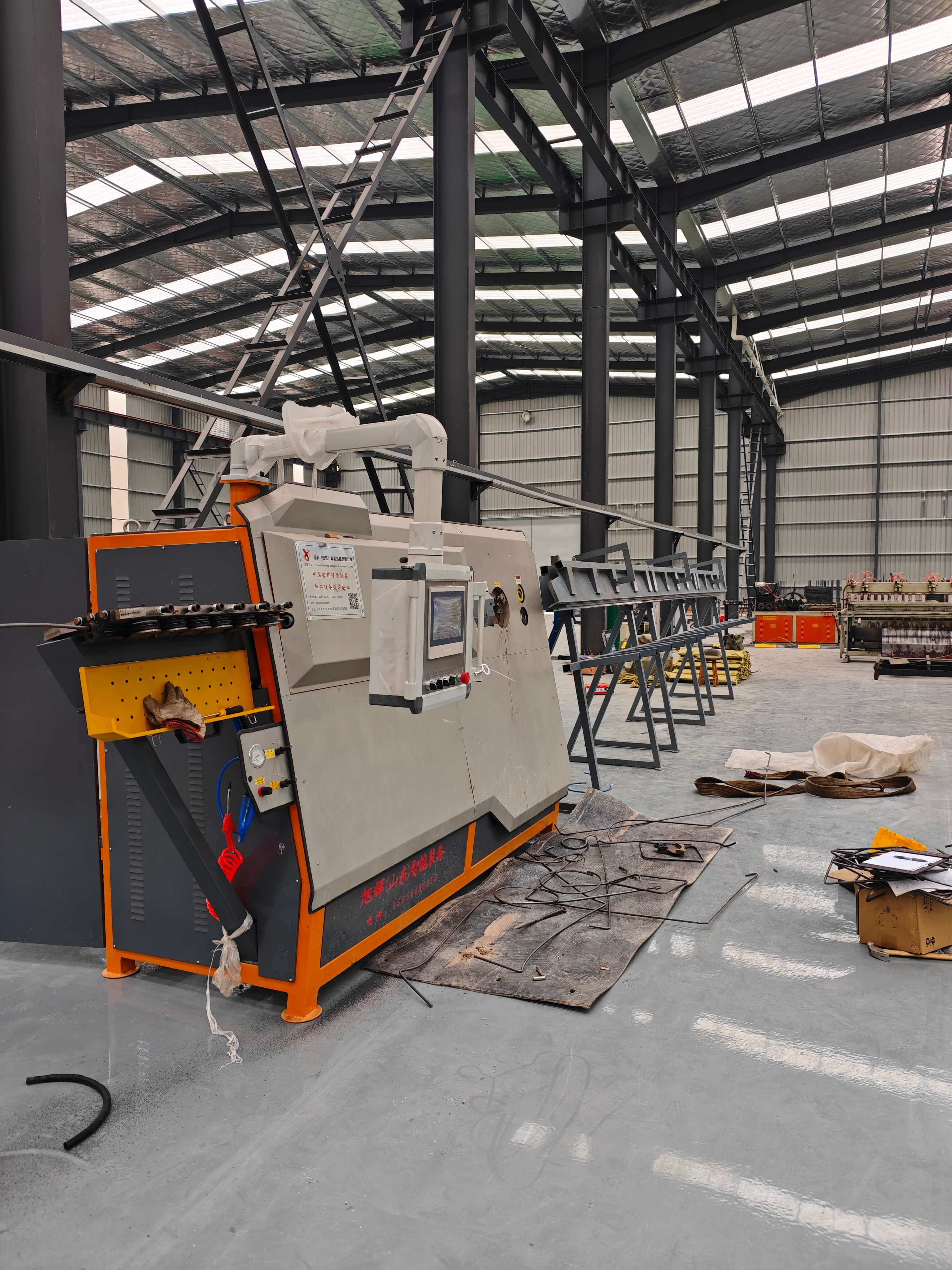
5-step selection framework
1. Clarify requirements: Develop equipment technical specifications based on core parameters such as project scale (e.g., daily production capacity requirements), rebar specifications (e.g., diameter 6-16mm), and processing precision (±0.2mm);
2. Supplier Screening: Collect manufacturer information through industry exhibitions, customer recommendations, and third-party platforms (such as Alibaba.com), and preliminarily screen ≥5 candidate enterprises;
3. On-site inspection: Focus on examining factory scale, core component inventory, and quality inspection processes, and request the provision of ISO 9001 and CE certification documents;
4. Technical negotiations: Sign a technical agreement to clarify equipment parameters, delivery cycles, after-sales service terms, and stipulate compensation for breach of contract;
5. Acceptance testing: Conduct a 48-hour continuous operation test after the equipment arrives to verify whether core indicators such as processing accuracy and production efficiency meet the standards.
Core principles
- Prioritize cost-effectiveness: Avoid the mindset of focusing solely on the lowest price or brand name, and conduct a comprehensive evaluation of the total lifecycle cost of the equipment (procurement + maintenance + spare parts);
- Localization support: Prioritize manufacturers with after-sales teams or overseas warehouses in the target market to ensure a response time of ≤24 hours;
- Digital capabilities: Select equipment that supports IoT monitoring and remote fault diagnosis to reduce the risk of unplanned downtime.
Q1: How can I verify the authenticity of a manufacturer's certification?
A: You can enter the certificate number on the official website of the certification body (such as SGS, TÜV) for inquiry, or request the manufacturer to provide the original certification for on-site verification. For example, an ISO 9001 certificate should include information such as the manufacturer's name, certification scope, and validity period, and should be consistent with the factory's actual business.
Q2: How can we quickly verify whether the equipment capacity meets the standard?
A: Require the manufacturer to provide third-party test reports (e.g., from SGS or Intertek) or conduct a 48-hour continuous operation test on-site. During the test, data such as equipment processing quantity, scrap rate, and energy consumption should be recorded and compared with the values specified in the technical agreement. For example, if the agreement stipulates a production efficiency of ≥40 units per minute, the actual test must meet this standard continuously for 3 hours.
Q3: What content is typically included in after-sales service terms?
A: Standard after-sales service should include:
- Warranty period: Typically 1 year (extendable to 2 years for core components such as servo motors);
- Response time: ≤72 hours for overseas customers (can be shortened to 24 hours for localized teams);
- Accessory supply: Commonly used accessories (such as cutting tools and belts) must be stocked in the target market to ensure delivery within 48 hours;
- Training services: Provide operator training (≥8 hours) and maintenance training (≥4 hours) to ensure that customers can independently handle common faults.
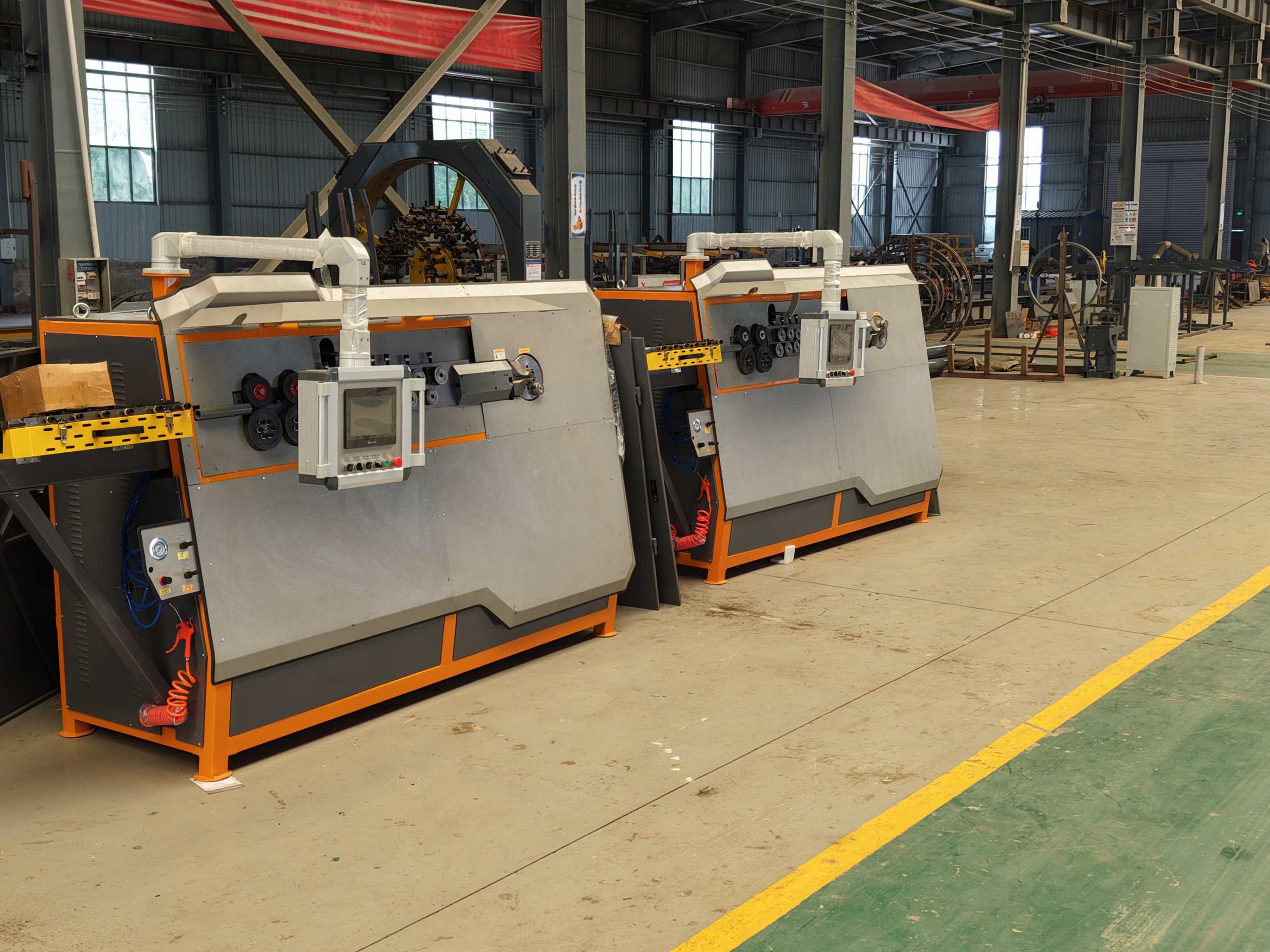
Xuhui (Shandong) Intelligent Equipment Co., Ltd., located in Heze, Shandong—a manufacturing base for construction machinery—is an enterprise integrating the research and development, production, and sales of CNC steel bar equipment. Guided by the philosophy of "technology-driven + standardized services," the company has established a technical team composed of 30 senior engineers (with an average of ≥8 years of industry experience) and is equipped with a modern production workshop (covering an area of 12,000㎡), achieving an annual production capacity of 2,000 CNC steel bar processing machines.
The company's main products include steel arch frame production lines, steel reinforcement cage welding workstations, fully automatic small conduit production lines, fully automatic wire mesh welding machine production lines, CNC steel bar bending centers, CNC steel reinforcement cage rolling welders, CNC sawing, threading, and grinding production lines, etc. All these products have passed ISO 9001 quality management system certification and CE safety certification. The company serves clients involved in national-level projects such as expressways (e.g., the Beijing-Xiong'an Expressway), high-speed railways (e.g., the Zhengzhou-Wanzhou High-Speed Railway), and airports (e.g., Chengdu Tianfu International Airport), as well as overseas benchmark projects like the Delhi Metro in India and the Jakarta-Bandung High-Speed Railway in Indonesia.
CIFI adheres to the customer-centric service principle, providing full lifecycle support ranging from equipment selection, installation and commissioning to after-sales maintenance. It has established overseas warehouses in Southeast Asia and the Middle East to ensure a delivery cycle of ≤2 months and an after-sales response time of ≤24 hours. For more information, please visitOfficial website: www.xuhuiintelligenttech.com